

Building a Statewide Livestock Composting Solution
Learn why WSDA is evaluating new infrastructure for animal-derived feedstocks.
Authors: Derek Thedell and Sarah Lemon
December 5, 2025
Washington’s $3.6B per year livestock and meat-processing sectors generate a steady volume of organic material that must be managed safely and reliably. For simplicity, this project will refer to these materials including routine and emergency livestock mortalities, offal, meat trimmings, and similar organic waste materials as animal-derived feedstocks (ADFs). Historically, producers and processors across the state have relied on a mix of rendering services, burial, landfilling, or on-farm composting to handle this waste stream. Today, however, disposal options are becoming increasingly constrained. Rendering availability has declined, landfill acceptance faces greater challenges, environmental concerns have intensified, and many operations now face higher costs and fewer choices.
Recognizing this growing gap, an ad hoc working group, known as the “Awful Offal” group, hosted by the Washington State Department of Agriculture (WSDA) requested funding during the 2025 legislative session for a project to evaluate the feasibility of supporting composting as a competitive pathway for these ADFs. The project, which received partial funding through the Climate Commitment Act from the WA State legislature, will identify reliable, economically viable, and environmentally sound solutions that support both daily operational needs and emergency-response scenarios.
Why Washington Needs a New Approach
Across the state, producers are experiencing increasing challenges with existing disposal pathways. Three major pressures underpin the need for a change in the system:
Limited availability and rising cost of traditional disposal options
Rendering capacity, once a primary solution for many livestock sectors, has decreased in recent years. Transport distances have grown, fuel and service costs have increased, and many producers no longer have dependable access. Landfilling faces rising tipping fees and growing environmental scrutiny. Burial options present biosecurity and water-quality concerns and are not feasible in many regions due to soil type, water tables, or zoning restrictions.
Environmental and climate considerations
ADFs that are landfilled or buried can create methane emissions, nutrient loading risks, and localized environmental impacts. Composting, by contrast, supports nutrient recycling, reduces greenhouse gas emissions, and aligns with state goals for organics diversion and climate mitigation. As agencies across Washington—including the Department of Ecology—expand organics and composting initiatives, opportunities are emerging to build shared infrastructure that benefits agriculture and the environment.
The need to prepare for emergency livestock mortality events
Washington’s agricultural system must be able to respond rapidly and safely to emergency mortality events caused by extreme weather, heat stress, disease-free mass losses, or disruptions in processing capacity. These increasingly frequent events can create sudden surges in waste volumes that exceed regional disposal capacity. A robust, distributed composting network would allow the state to better manage these situations while limiting environmental and public health risks.
Across all three areas, the underlying issue remains consistent: Washington needs a more reliable, affordable, and sustainable option for managing ADFs.
What the WSDA Composting Infrastructure Study Will Evaluate
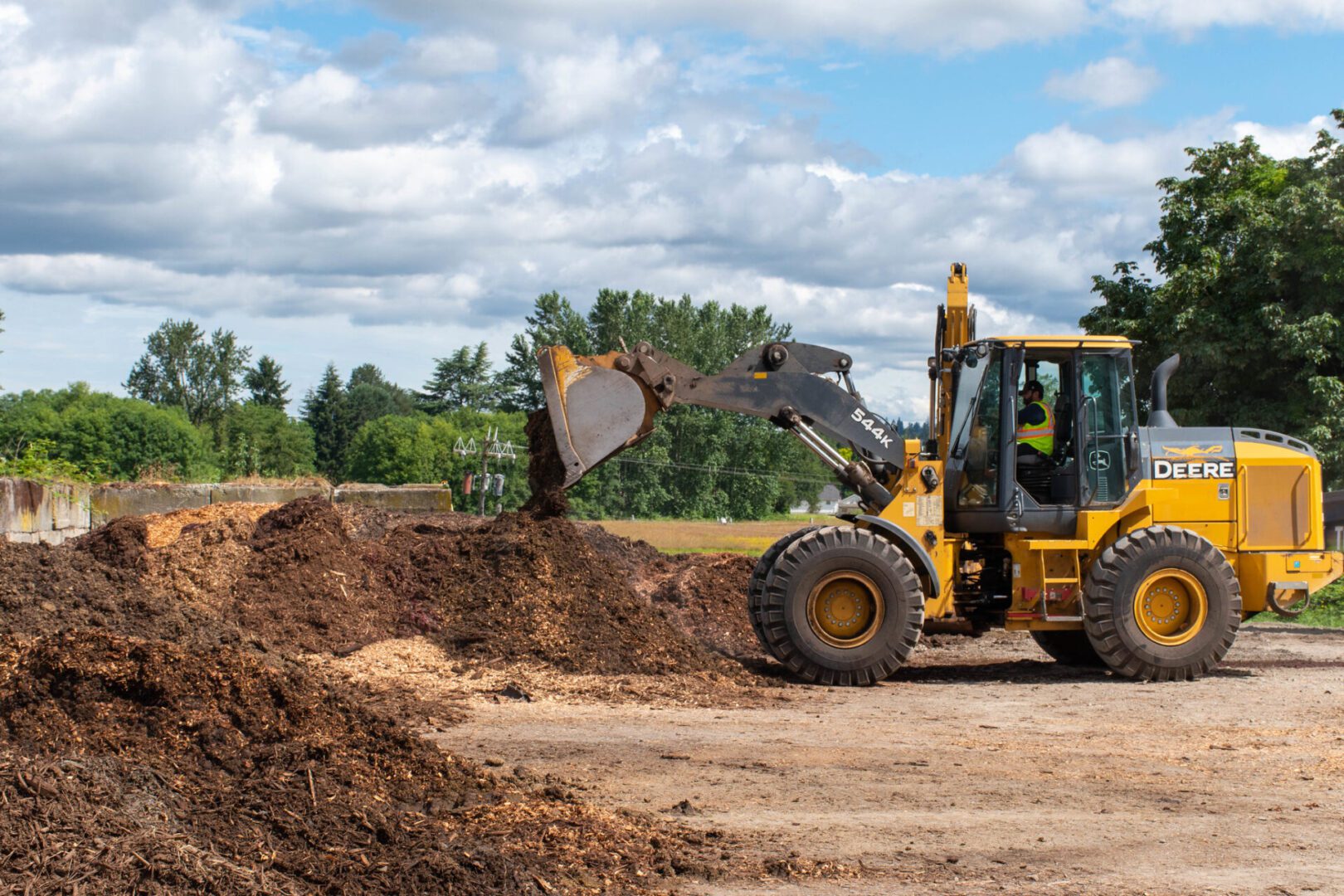
WSDA’s multi-year initiative will develop an actionable, statewide assessment of what it would take to support a robust composting system capable of managing ADFs at small, mid, and large scales. The work focuses on four major areas.
- Economic feasibility
To understand whether composting can serve as a practical solution for managing livestock mortalities and processing waste across Washington, this project will be taking a close look at the economics behind it. This includes examining what it costs producers and composting facilities to operate and comparing those expenses to other disposal options currently available. The analysis also considers how composting performs financially over the long term, including during emergency situations when disposal volumes may spike. Because Washington’s livestock sector ranges from small family farms to large operations, the study will assess feasibility across multiple scales to better understand where composting is already workable and where strategic investment or support could make a meaningful difference.
- Stakeholder perspectives
To ensure an ADF composting infrastructure is both workable and widely adopted, the project will also focus on how the people who would use or support it view the idea today. This includes gathering input from livestock producers, meat processors, commercial composters, on-farm operations, local governments, regulators, and compost end-users. By speaking directly with these groups, the study aims to understand what information they need, what concerns they have, and what practical challenges they face. Interviews, surveys, and regional engagement will help shape recommendations that reflect real operational conditions rather than assumptions.
- Infrastructure gaps and constraints
Washington’s composting infrastructure varies substantially across the state, and understanding these gaps is a central focus of this project. Some regions have facilities that are already equipped to handle ADFs, while others lack the sites, transport routes, or equipment needed to manage them safely and efficiently. The study will take a detailed look at where these limitations occur and what factors contribute to them, including land availability, zoning and permitting requirements, and the operational capacity of existing composters. By drawing on this information, the project aims to identify where infrastructure is sufficient today, where service gaps persist, and where targeted investment or expansion could create a more reliable and resilient composting network across Washington.
- State policy and intervention options
The project will also examine the policy and funding strategies that could support the development of a statewide composting system for ADFs. This includes looking at options such as incentive programs, technical assistance, training, and potential adjustments to permitting or regulatory frameworks that shape how composting facilities operate. The analysis will consider how these tools could strengthen emergency preparedness, reduce barriers for new or expanding facilities, and encourage investment in needed infrastructure. All of this work will be grounded in Washington’s broader goals for organics diversion, climate mitigation, and agricultural resilience, ensuring that any recommended strategies support both environmental and economic objectives.
How This Work Will Support Producers and Processors
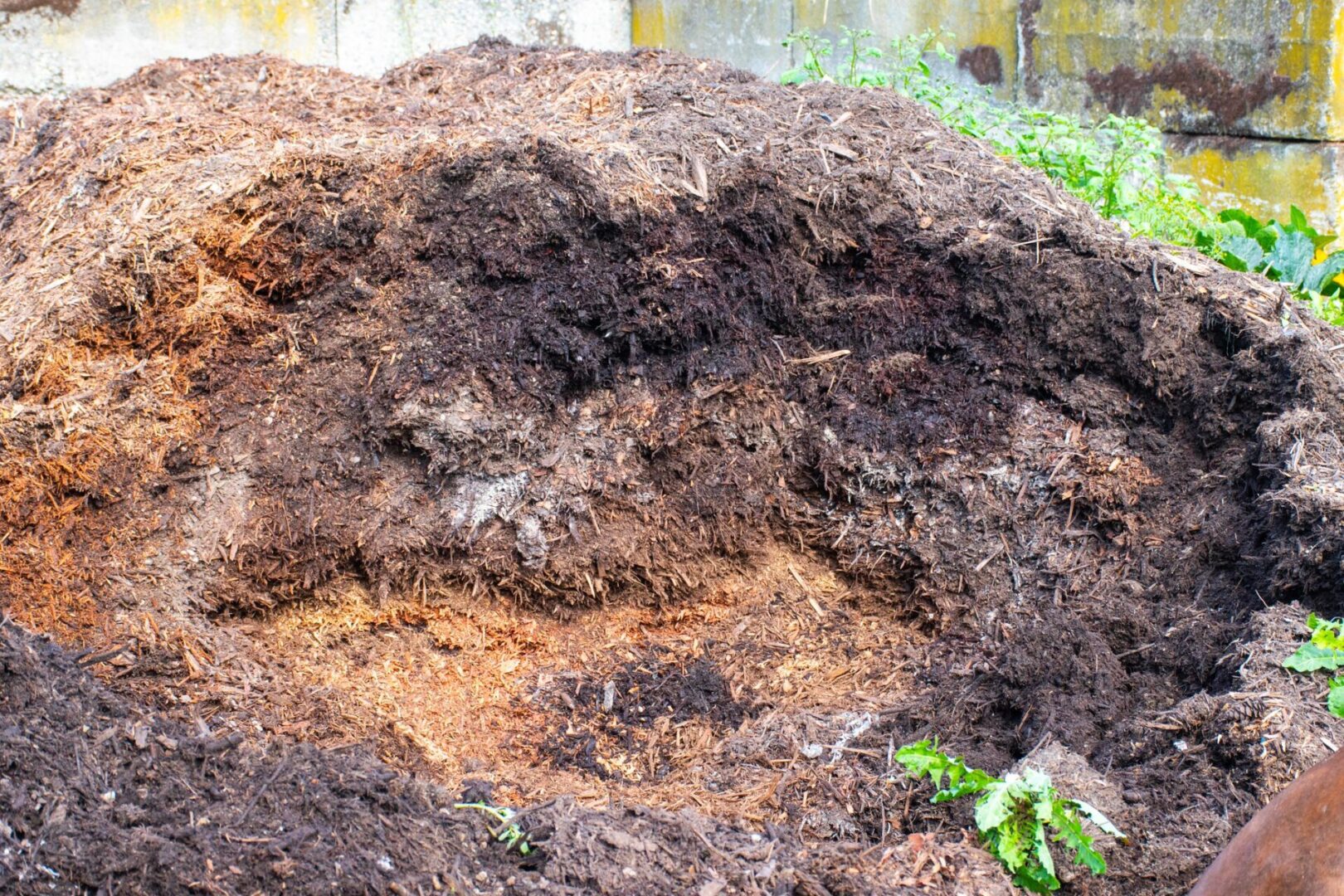
The overarching purpose of this effort is to ensure that livestock operations and meat processors of all scales can reliably and affordably manage ADFs. Once complete, WSDA’s study will help:
- Reduce uncertainty and risk for farms and processors
- Support new and expanded waste management capacity across regions
- Improve environmental outcomes and support nutrient cycling
- Strengthen the resilience of Washington’s agricultural supply chain
- Prepare the state to manage emergency mortality events more effectively
Study results and recommendations for how to build, support, and sustain safe, reliable, environmentally responsible, and economically viable ADF waste management infrastructure statewide will help ensure that Washington’s important livestock industry will remain viable for years to come.
For more information contact program staff: Derek Thedell (derek.thedell@agr.wa.gov) or Sarah Lemon (sarah.lemon@agr.wa.gov).
Derek Thedell and Sarah Lemon, WSDA
Derek Thedell is a Climate Services Technical Specialist with the Washington State Department of Agriculture. Sarah Lemon is a Local Meat Marketing and Capacity Specialist with the Washington State Department of Agriculture
This article was published by the Washington Soil Health Initiative. For more information, visit wasoilhealth.org. To have these posts delivered straight to your inbox, subscribe to the WaSHI newsletter. To find a soil science technical service provider, visit the Washington State University Extension website or the Washington State Conservation District website.