Get the Scoop with the WaSHI Blog

Grounding Long-Term Soil Health Tree Fruit Research in Stakeholder Needs

June 13, 2024

Recognizing the importance of addressing these challenges, stakeholders from across the industry joined forces to shape the Tree Fruit Soil Health Long-Term Agroecological Research and Extension (LTARE) site in Wenatchee, WA. Through surveys, focus groups, and workshops, their input guided the development of this innovative research site that will provide a space to ask soil management questions for many years.

Introducing the new WaSHI Agronomist

June 12, 2024

Adam joins the Washington Soil Health Initiative to support growers in efficiently managing their fertilizer and irrigation. Adam’s efforts will help reduce nitrate leaching, improve growers’ cost savings, and reduce greenhouse gas emissions in Washington.

What do I do with my soil test results? Making Chemical Soils Data Actionable

April 16, 2024

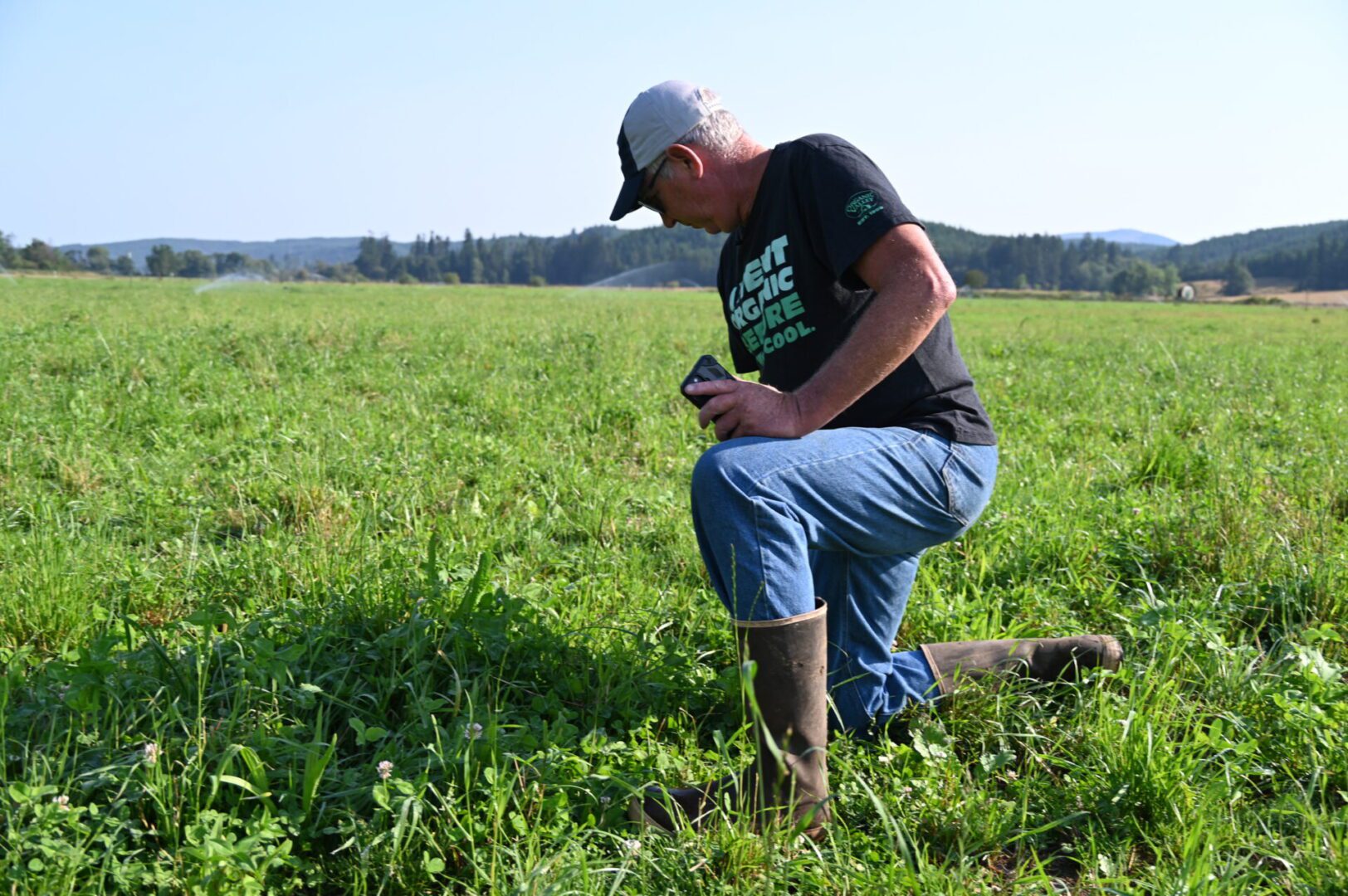
Adam Peterson has been running the Thurston Conservation District (CD) soil testing program for almost four years now, but he was a user of its services long before that.

Over ten years ago, while studying agricultural science and eager to connect what he was learning about nutrient management and nutrient cycling with real-life results, he decided to test a few samples on his family’s farm to understand how past practices had influenced the soil on site.

High rate of compost application showed stable yields in dryland wheat systems: a long-term study.

April 16, 2024

Researchers are interested in learning about the effects of one-time applications of compost on the soil and crops. A long-term trial was established at the Wilke farm in Davenport, WA (close neighbors to the Dryland WaSHI LTARE site) to test the effects of different one-time rates of compost applications.

An actually actionable biological soil health indicator

April 15, 2024

A few years after Lindsey du Toit began her faculty position at Washington State University in 2000, a spinach seed farmer walked into her office and dropped a 5-gallon bucket of soil on her desk. He simply wanted to know if his spinach seed crop would thrive or die from Fusarium wilt if he planted a seed crop in that field the following spring.

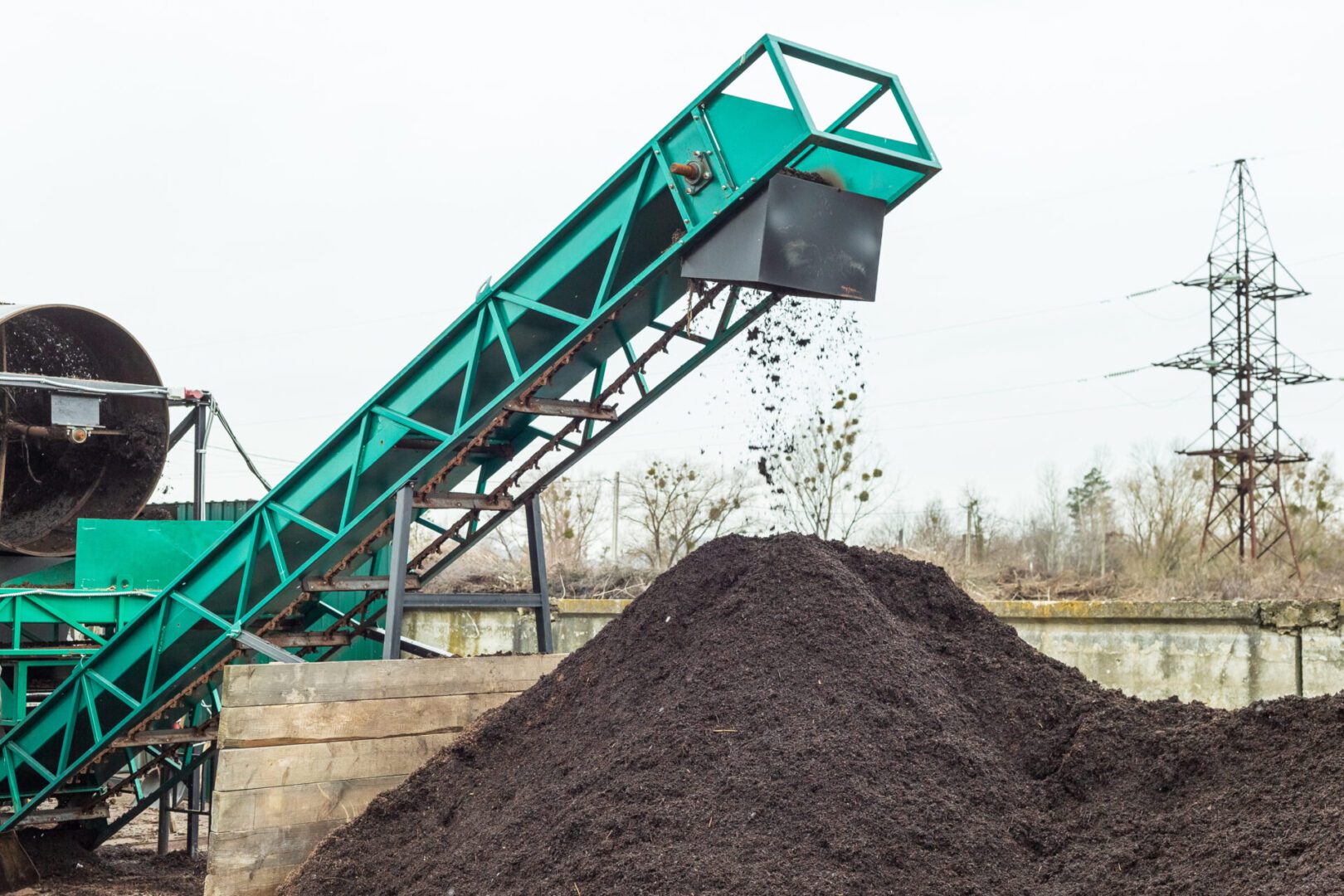
Compost: Saving Soil Health, One Pile at a Time

April 11, 2024

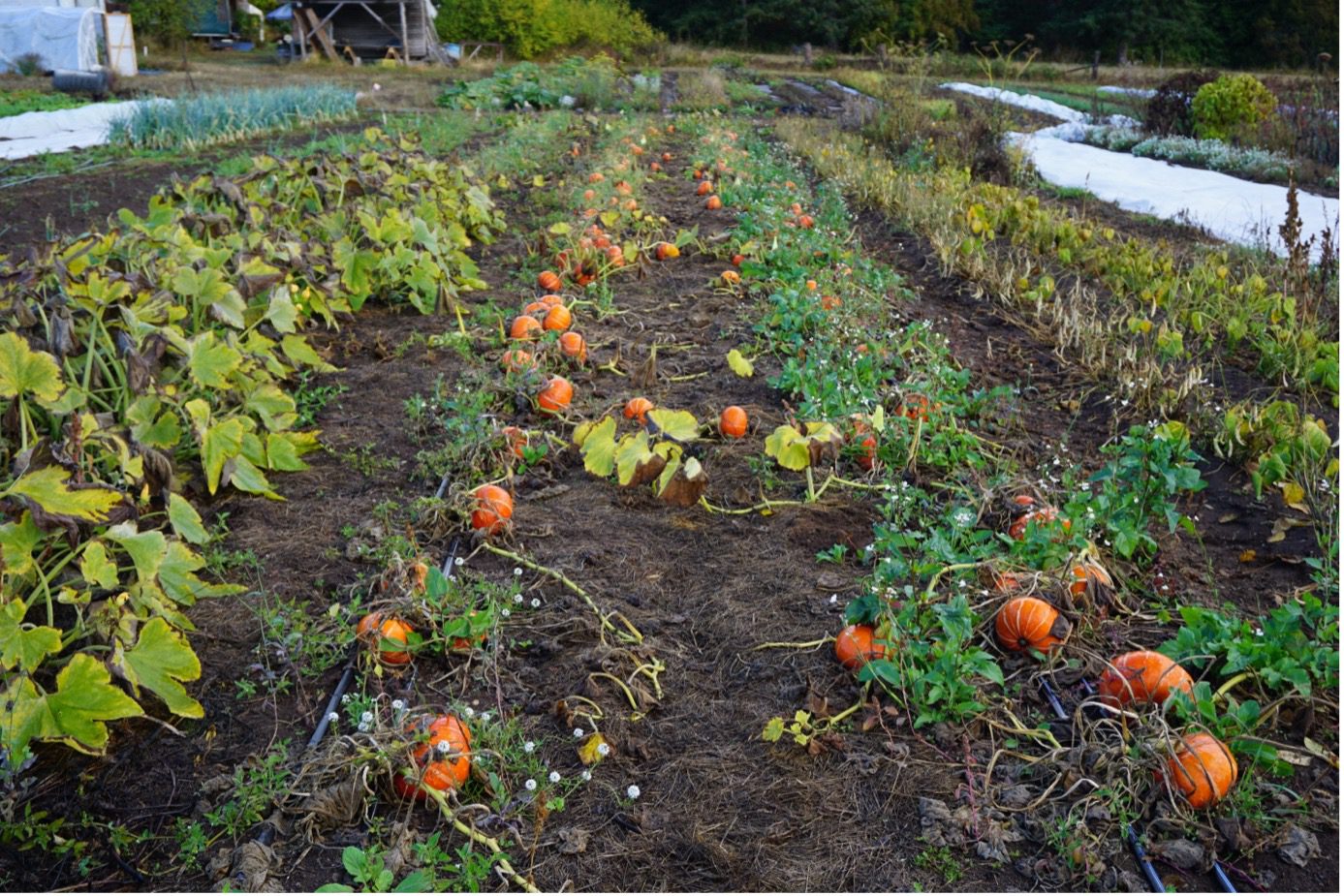
With funding from the Sustainable Farms and Fields program, Four Elements Farm was able to improve soil health through compost applications.

Announcing the 2023 Producer of the Year Award Winner: Clay and Rachel Hutchens

March 13, 2024

Clay and Rachel, winners of the 2023 WaSHI Producer of the Year Award, are very thoughtful and intentional in the way they farm. Focusing on managing residue in ways that work for the land in the years to come and prioritize using a diverse crop rotation to improve crop yields and better manage soil nutrients and organic matter.

Aggregation 2023: Soil Science, Farmers, Friendship & Ferries

March 12, 2024

The name Aggregation carries metaphorical weight, as it describes the vital process of soil minerals and carbon-rich organic matter binding together with microbial webs and glues. These aggregates build soil structure, provide biodiversity habitat, and allow air and water to flow through soil. Aggregation encapsulated our event: a convergence of diverse elements aimed at nurturing growth, knowledge, and resilience.

The State of the ‘State of the Soils’

March 12, 2024

In the ongoing quest to better understand and enhance soil health across Washington, the State of the Soils Assessment is in its fifth and final year of collecting soil samples. From 2020 to 2023, nearly 1000 soil samples were collected in over 60 crop types, led by the Washington State Department of Agriculture (WSDA) and Washington State University (WSU). These samples were collected with the help of over 300 farmers and 30 conservation districts (CDs). By the end of 2024, the soil archive will include over 1200 samples and management surveys, with soil collected from every county in Washington

{soils}: An R Package for Soil Health Reporting

March 12, 2024

Understanding soil data is crucial for making informed management decisions. However, soil health outcomes are determined by many variables, and the science surrounding soil health measurements is ever evolving. This makes it difficult to present soil data in an easy-to-understand way. Enter {soils}, a new R package developed to effectively visualize and describe soil health data.