
© Leslie Michel, WSDA
Soil Health Ambassadors: Ferry Boat Seeds – Protecting Soil Health Through Seed Hygiene
Learn from Louisa and Brook Brouwer about how careful seed cleaning, hot water seed treatment, and farm biosecurity practices help prevent disease and protect soil health.
Author: Leslie Michel, Washington State Department of Agriculture, Quotes from Louisa and Brook Brouwer
September 3, 2026
Watch the video with audio descriptions here.
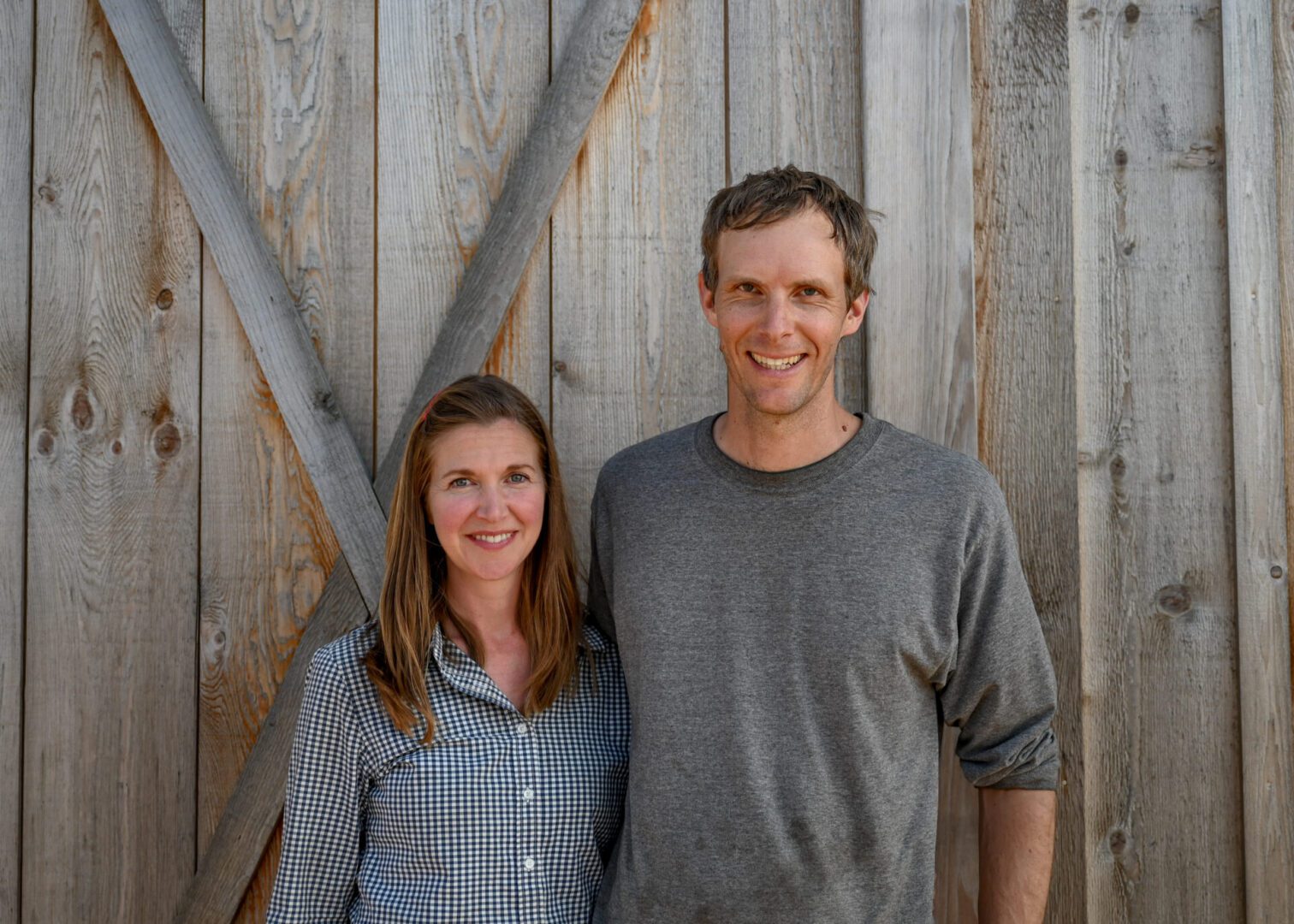
On the San Juan Islands, Louisa and Brook Brouwer co-own and manage Ferry Boat Seeds, an organic seed production farm specializing in vegetable, flower, grain, and native seed crops. In addition to growing seed crops, they provide custom seed cleaning services, and work with researchers.
Louisa started Ferry Boat Seeds in 2017, with Brook joining the farm in 2023. Both Louisa and Brook have PhDs in plant breeding and have a variety of experiences that have helped them manage and grow the farm.
The Brouwers approach to seed hygiene has evolved over time as they have gained experience with growing a wide range of seed crops and become more aware of how easily pathogens can move onto and throughout the farm.
For them, protecting soil health starts with being careful about what comes onto the farm in the first place.
“The microbial community is an important piece of soil health. We want to be vigilant about what we’re bringing onto our farm and introducing to our soil, because it can be good, bad and ugly.”
“We’ve learned that it’s very important to be rigorous about screening the material that comes onto our farm, whether that’s seed or transplants”.
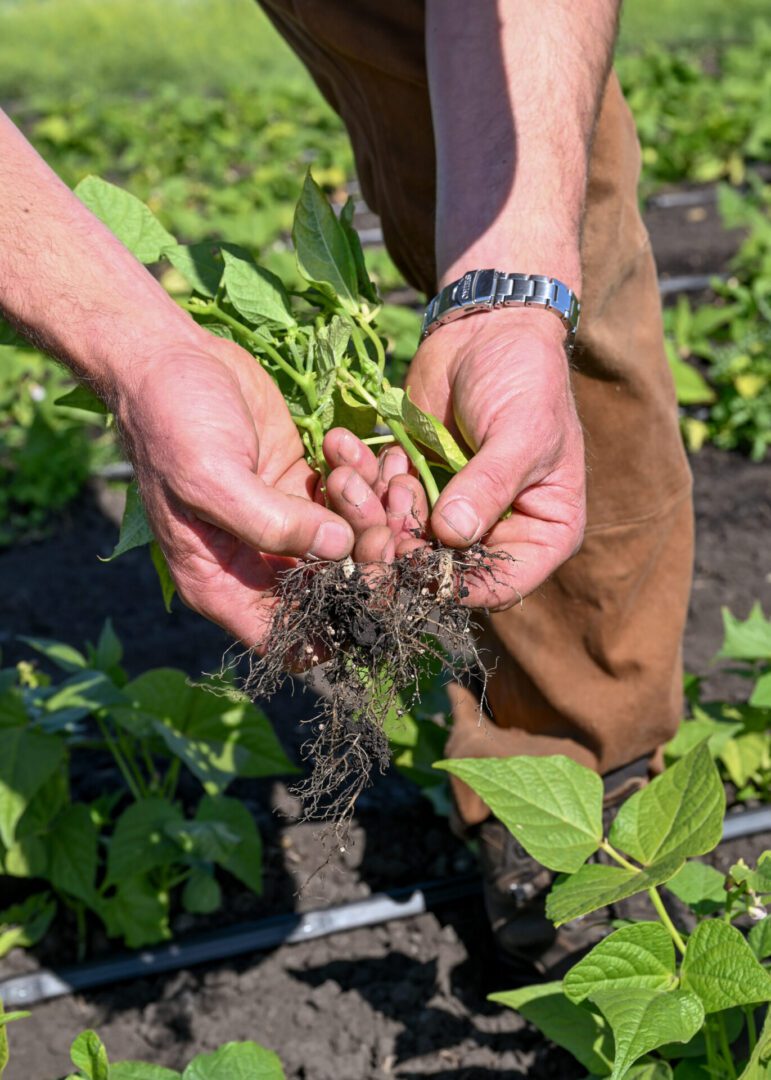
The concern is that pathogens arriving on seeds or soil from other farms can create problems that linger for years or decades. Example of plant diseases that can travel with seed, establish in the soil and affect future crops include Verticillium Wilt, Fusarium Wilt and White Mold.
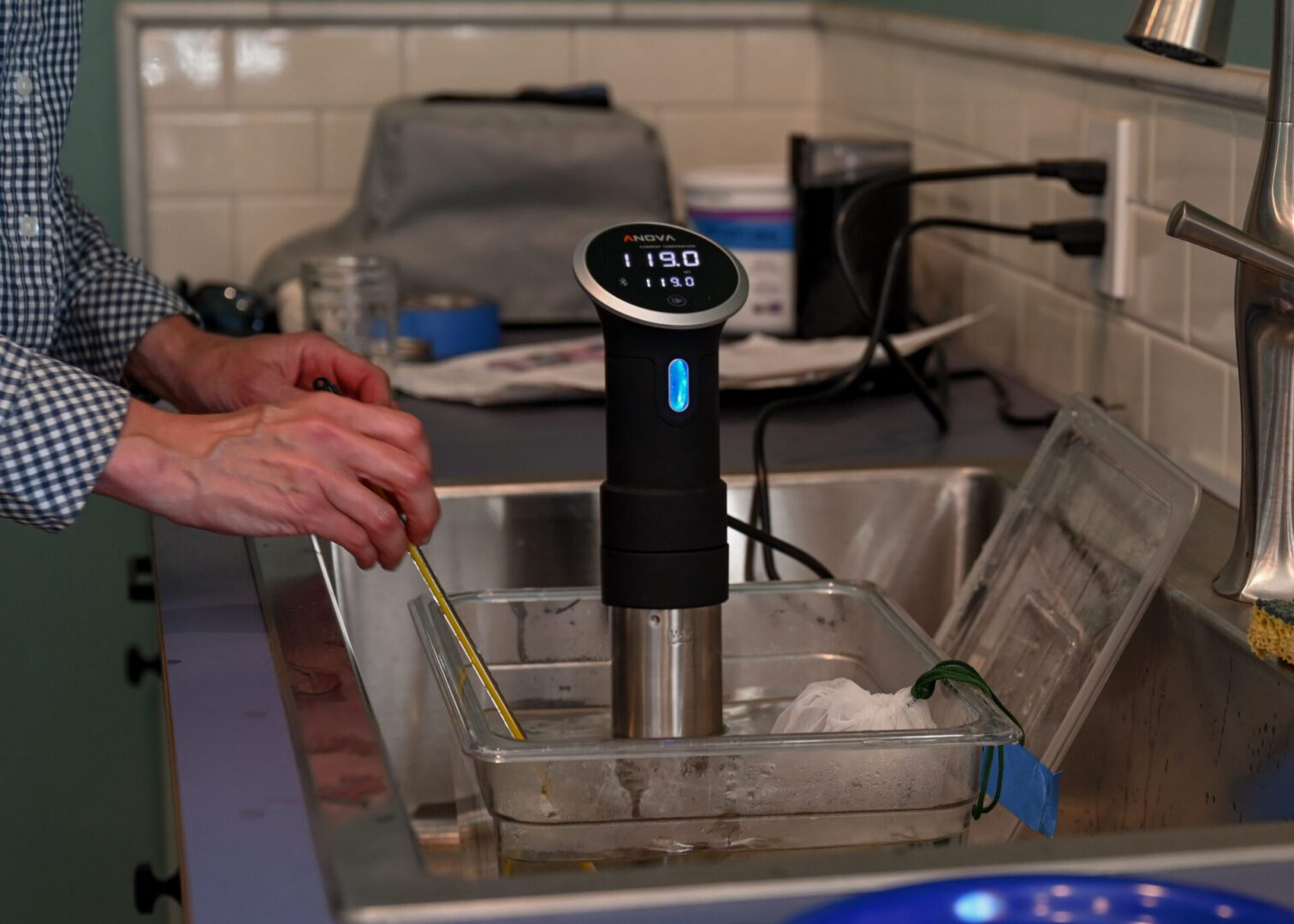
Hot water seed treatment is one way they can reduce that risk. For crops where it is effective, the Ferry Boat Seeds crew pre-heats the seed, and places it in a circulating hot water bath at a precise temperature for a set amount of time before drying it. The process can eliminate pathogens and, in some cases, improve germination by removing pathogens that could otherwise interfere with young seedlings.
Why is it important to you to prevent disease?
Because Ferry Boat Seeds is certified organic, their options for seed treatments are more limited than those available to conventional growers. Plant diseases can be carried on the seed surface, in the embryo, or on other debris that may not get screened during the cleaning process.
That is one reason hot water treatment has become an important tool for them.
Hot water treatment is just one of many approaches the Brouwers use to prevent soil-borne diseases. Before a new seed crop is planted, they carefully inspect the stock seed for contaminants, such as sclerotia, survival structures of fungal pathogens. They monitor their crops closely and test if disease symptoms appear.
Because their seeds are sold across the country, seedborne diseases that may be present at their farm could easily spread to other farms. “It would be the worst to think of pathogens being carried with our seed and infecting soil on all the different farms and gardens,” Louisa said.

What have been the biggest challenges to pre-treating seeds?
Hot water treatment is a relatively simple way to reduce the spread of pathogens, but it doesn’t work for every seed. Smaller seeds tend to be better suited for the process. Larger seeds need more time to reach the required temperature, increasing the risk of damaging the seed.
The location of the pathogen also matters. Some pathogens live on the seed surface and are easier to treat, whereas others may be inside the seed, where reaching a high enough temperature to kill the pathogen would also kill the seed.
The Brouwers use publicly available research and established protocols for species-specific treatment temperatures and durations.
Additionally, good disease prevention can be time consuming and labor intensive. Ferry Boat Seeds grows crops in multiple fields on San Juan Island and other islands in the county. When moving between fields, they clean equipment. Visitors to the farm get a quick shoe bath to sanitize footwear. The Brouwers regularly monitor their crops and if disease symptoms appear, they test to determine whether pathogens pose a risk to the soil.
“It can feel like extra work, especially when there isn’t an obvious problem in front of you. But often you’ve already moved things from field to field several times before you realize you have a disease issue. We’ve had that scare enough times that now we take precautions. It’s a no brainer.”
What benefits have you seen from pre-treatments and soil disease management?
Many seed-borne pathogens can infect a plant systemically and then make their way into the next generation of seed. Preventing that initial infection makes it much more likely that the seed harvested at the end of the season will be healthy and disease-free. Seed lots can circulate from farm to farm before anyone realizes there is a problem, which makes vigilance especially important.
Taking the time to start with clean planting material can save considerable time and expense later in the season. “The ideal scenario is that all you have to do is weed, water, and harvest.” By using simple methods, the Brouwers can take a lighter approach instead of having to spray organic-approved pesticides, rogue diseased plants or, in the worst cases, terminate an entire crop.
What advice would you give other producers?
“Don’t overcomplicate it, anyone can do hot water treatment of seed.” There is so much publicly available information, and the equipment is inexpensive, especially in comparison to the cost of treating the soil, or crops in the field, if disease does establish. “Do your research and make sure you know the correct temperature and treatment duration for the crop you’re working with.” There are resources available from Extension services of various universities.
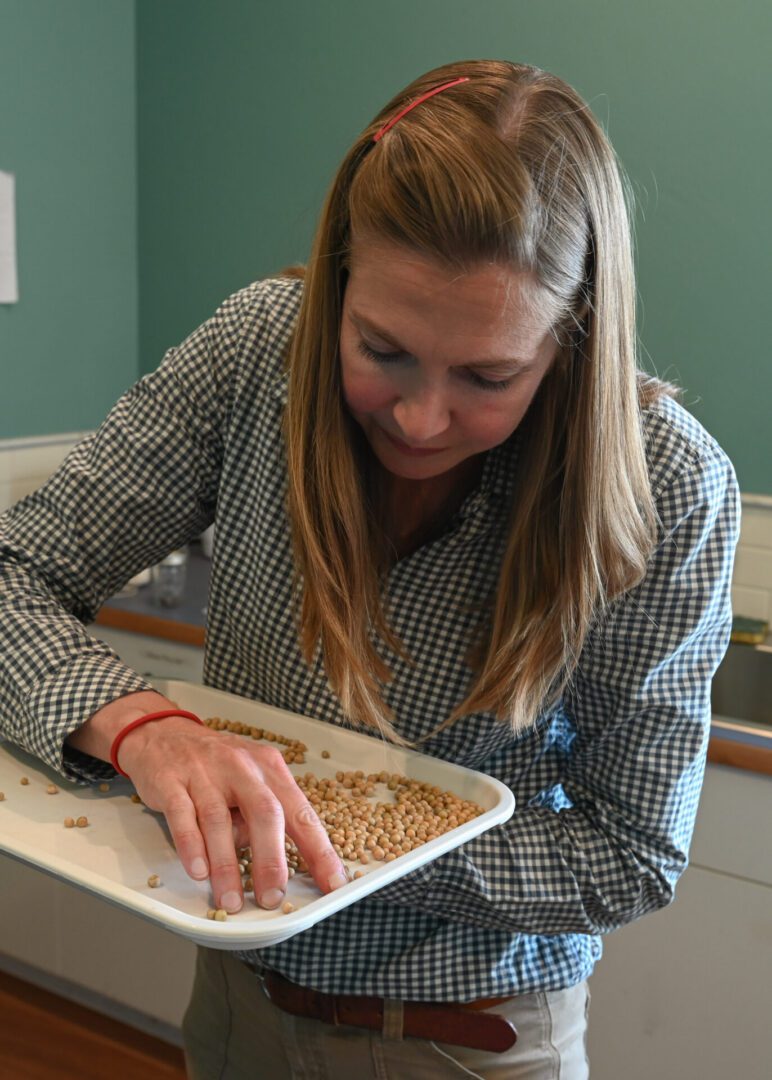
One of the easiest steps is simply to look at the seed before planting it. Spreading seeds on a contrasting-colored surface makes it possible to spot contaminants that might otherwise go unnoticed. That quick inspection could prevent a much larger disease problem later in the season.
Louisa and Brook also encourage farmers to consider all the ways pathogens can move around a farm. Cleaning equipment before moving between fields can make a significant difference in reducing pathogen spread.
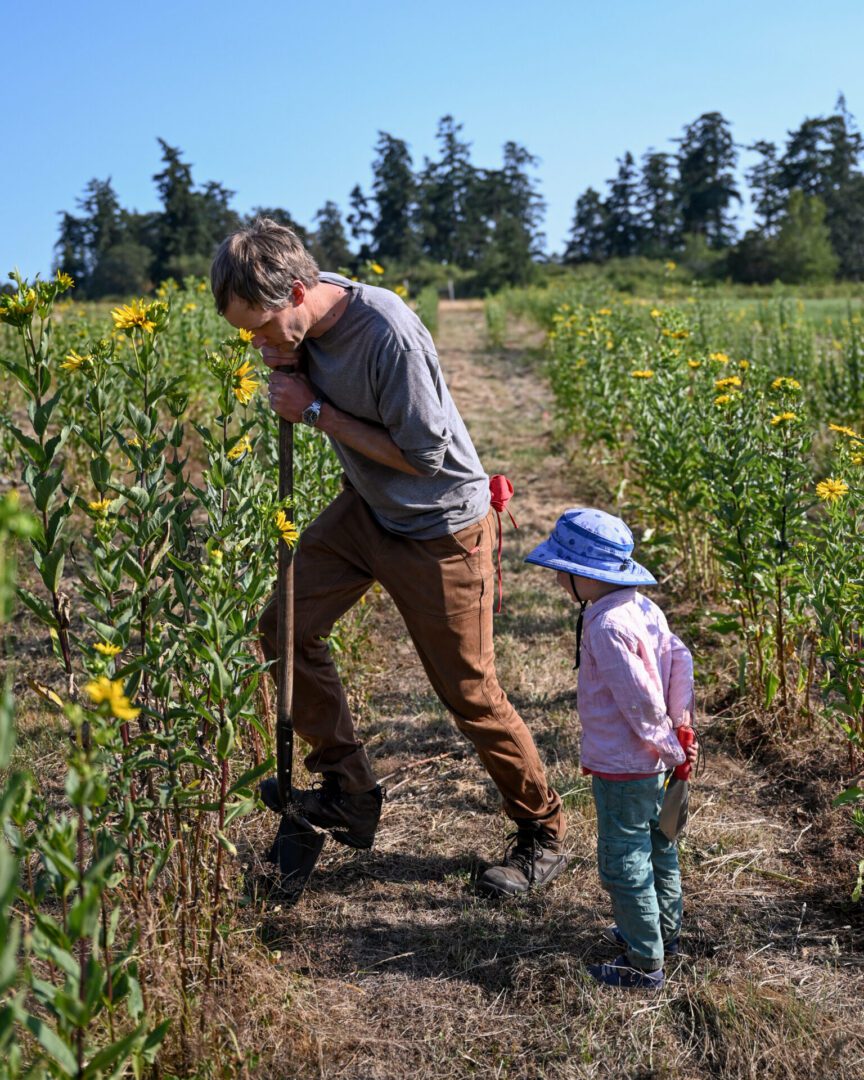
The biggest lesson in preventing diseases is paying attention. Inspect the seed, know where it came from, clean your equipment, check on your crops, and test when something doesn’t look right.
The Brouwers’ advice is to find the combination of practices that work together to reduce risk. Ultimately, recognizing that prevention is easier than trying to fix an established problem.
Want to connect with Louisa and Brook?
As Soil Health Ambassadors, they’ve agreed to help other producers interested in learning more about improving soil health with seed treatments and farm biosecurity. To get in touch, email WaSHI@agr.wa.gov.
For extension resources on hot water seed treatment:
To learn more about Ferry Boat Seeds:
- Visit the Ferry Boat Seeds website
If you or someone you know would like to participate in our Soil Health Ambassador Program,
email Leslie Michel at lmichel@agr.wa.gov
Leslie Michel
Leslie works with counties on the Voluntary Stewardship Program through the Washington State Department of Agriculture, providing technical support on their monitoring plans. She also assists with the Washington Soil Health Initiative and Sustainable Farms and Fields program by providing support for soil sampling.
This article was published by the Washington Soil Health Initiative. For more information, visit wasoilhealth.org. To have these posts delivered straight to your inbox, subscribe to the WaSHI newsletter. To find a soil science technical service provider, visit the Washington State University Extension website or the Washington State Conservation District website.