
Dani Gelardi Posts
-
The Climate Commitment Act funds new programs to support composting, methane capture, and biochar, some producers got hit with unexpected fuel surcharges—even though they’re supposed to be exempt. Now, the Agricultural Support Program is offering $28.5 million in payments to those who were wrongly charged.
-
Biochar: is it the silver bullet for soil health, or just another piece of the puzzle? In this wrap-up of our biochar series, we dive into key takeaways from recent research. It’s clear that biochar’s effectiveness varies widely—its success depends on factors like feedstock, soil type, and specific farm needs.
-
Adam joins the Washington Soil Health Initiative to support growers in efficiently managing their fertilizer and irrigation. Adam’s efforts will help reduce nitrate leaching, improve growers’ cost savings, and reduce greenhouse gas emissions in Washington.
-
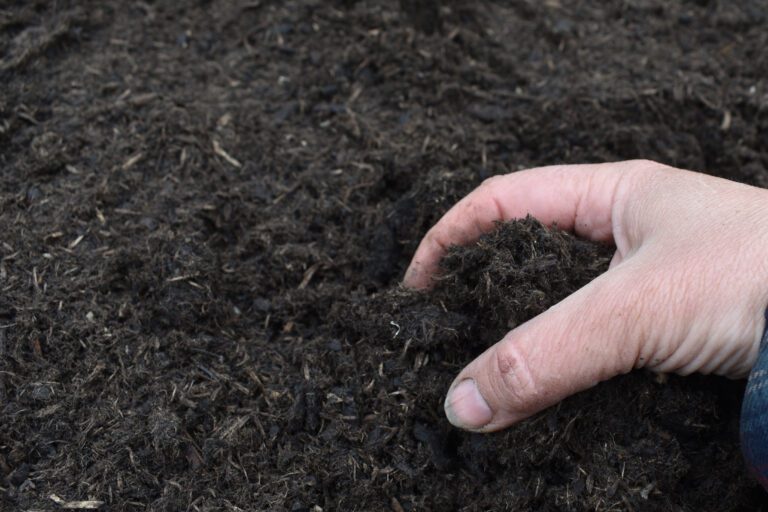
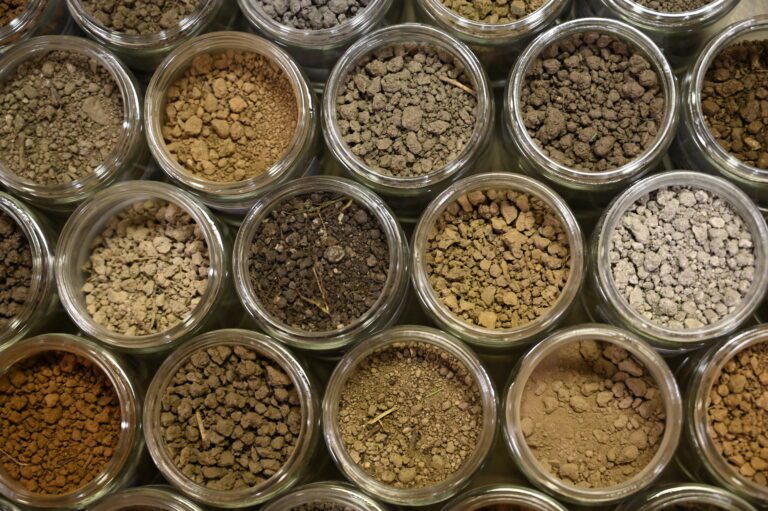
In the ongoing quest to better understand and enhance soil health across Washington, the State of the Soils Assessment is in its fifth and final year of collecting soil samples. From 2020 to 2023, nearly 1000 soil samples were collected in over 60 crop types, led by the Washington State Department of Agriculture (WSDA) and Washington State University (WSU). These samples were collected with the help of over 300 farmers and 30 conservation districts (CDs). By the end of 2024, the soil archive will include over 1200 samples and management surveys, with soil collected from every county in Washington
-
As written, the CCA exempts agriculture from many of its rules. This includes the requirements to report GHG emissions, and to participate in the quarterly cap-and-invest auctions in which Washington businesses must purchase the right to emit GHGs. Nevertheless, agriculture is still substantially impacted by the law’s economic and environmental effects. In fact, the CCA has ushered in many benefits and challenges to Washington agriculture since its launch on January 1st, 2023.
-
Lauren has been hired as the WSDA Soil Health Economic Development Coordinator. Her primary role will be to support the adoption of conservation practices in Washington state, by expanding market opportunities for producers and generating economic valuation.
-
The Washington legislature has funded a new program at WSDA intended to generate economic valuation for on-farm soil health management. Saving Tomorrow’s Agriculture Resources (STAR) was created by Illinois farmers in 2017. It is now used in four states, with an additional seven receiving STAR funding through the USDA Climate Smart Commodities Program.
- « Previous
- 1
- 2
- 3
- Next »