
WaSHI Annual Report FY25
Eastern WA Wine Grape Systems LTARE
Prosser, WA
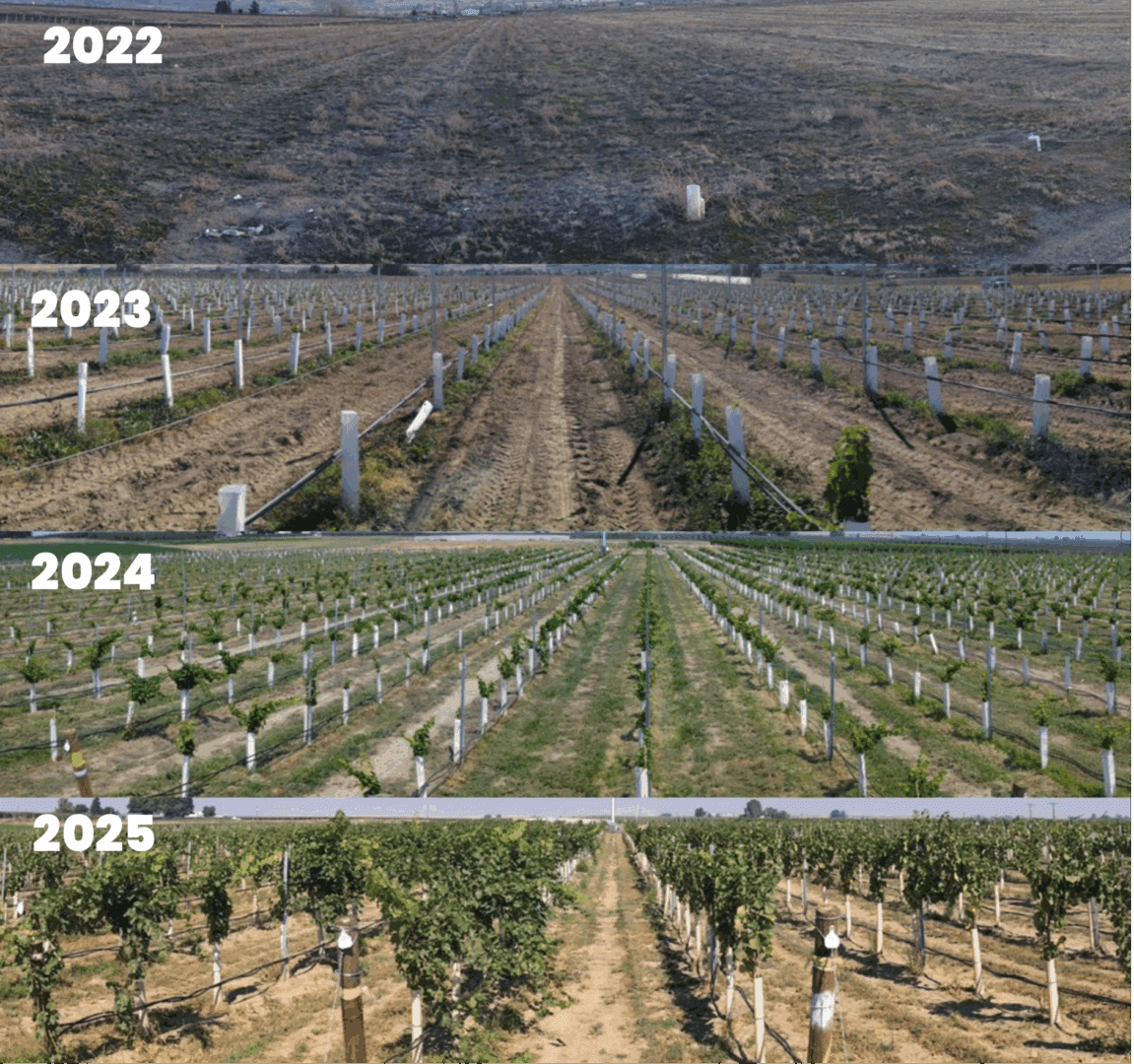
The Washington Soil Health Initiative (WaSHI) Vineyard LTARE at Prosser continues to advance its mission of improving soil health and sustainability in irrigated wine grape systems. This site was established to answer critical questions about how soil health-building practices influence vineyard resilience, grape quality, and long-term sustainability under the unique conditions of the Columbia Basin.
In fall 2024, the team conducted deep soil sampling across all treatment replicates to establish post-treatment baselines. Samples were collected from both under-vine and alleyway positions in Cabernet Sauvignon and Chardonnay blocks at five depth intervals (0–15 cm to 60–90 cm).
Analyses included:
• Carbon fractions (total, organic, and inorganic carbon).
• Biological indicators such as phospholipid fatty acids (PLFA) for microbial biomass.
• Chemical properties including pH, electrical conductivity (EC), cation exchange capacity (CEC), and available phosphorus.
• Functional indicators like permanganate-oxidizable carbon (POXC), ACE protein, and mineralizable carbon.
Vineyard Management
The 2024–2025 growing season marked the second year of vine establishment under five contrasting management systems. Key management activities included:
• Pruning and training vines to four buds in spring 2025
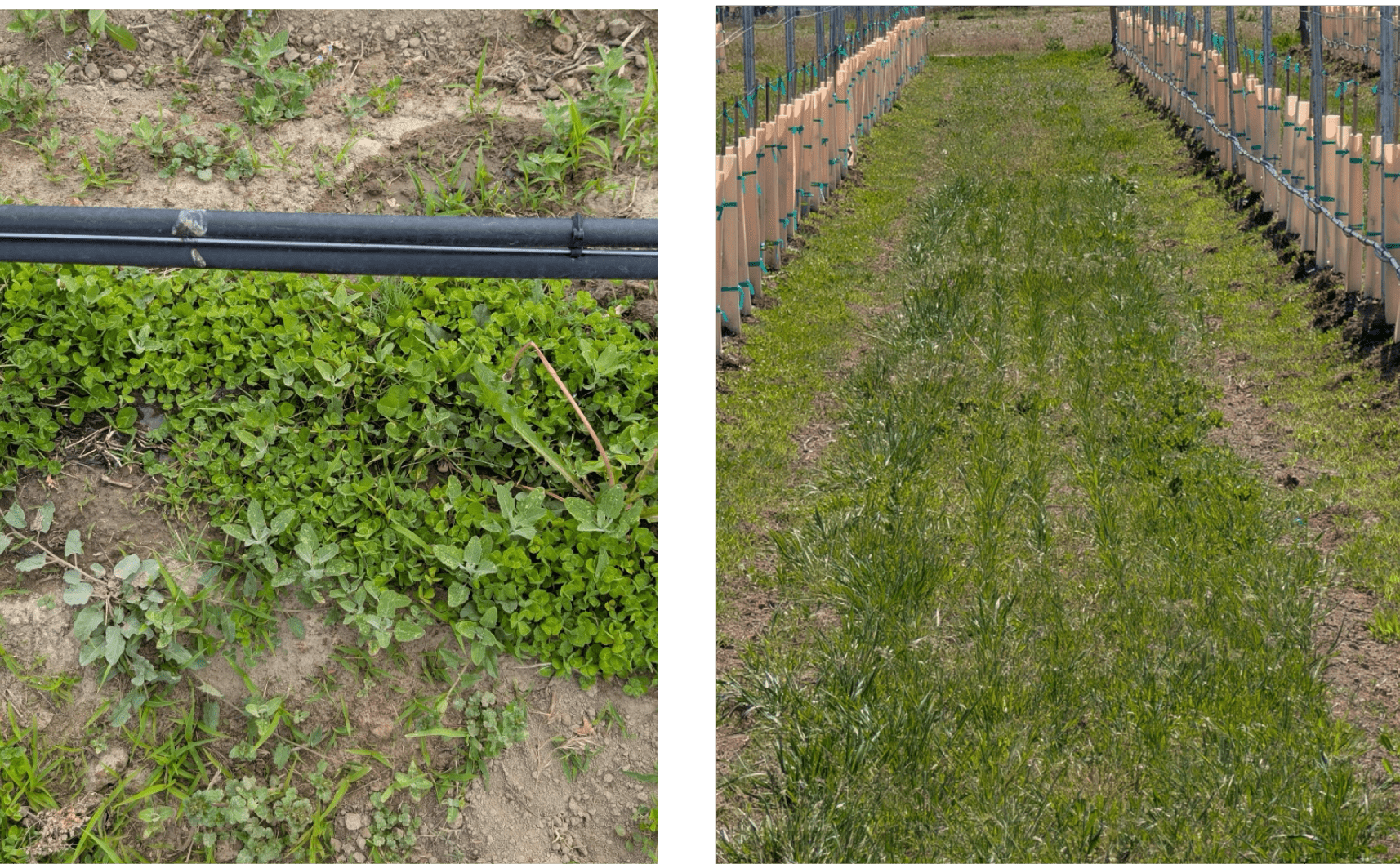
• Cover crop reseeding in under-vine and alley zones
• Targeted irrigation and fertilization, with synthetic fertilizer applied through drip irrigation in May and June 2025.
Outreach and Engagement
The Prosser LTARE team actively shared findings through several outlets. These efforts have strengthened industry awareness of soil health practices and fostered dialogue on sustainable viticulture.
- Presentations at the Washington State Grape Society Annual Meeting, WAVEx webinars, and national conferences.
- Field tours for growers, researchers, and policymakers, including visits from U.S. Congressional representatives and international scientists.
- Popular press coverage, including features in Good Fruit Grower, Washington Grown Magazine, and the Sustainable Winegrowing Podcast.
Challenges and Adaptations
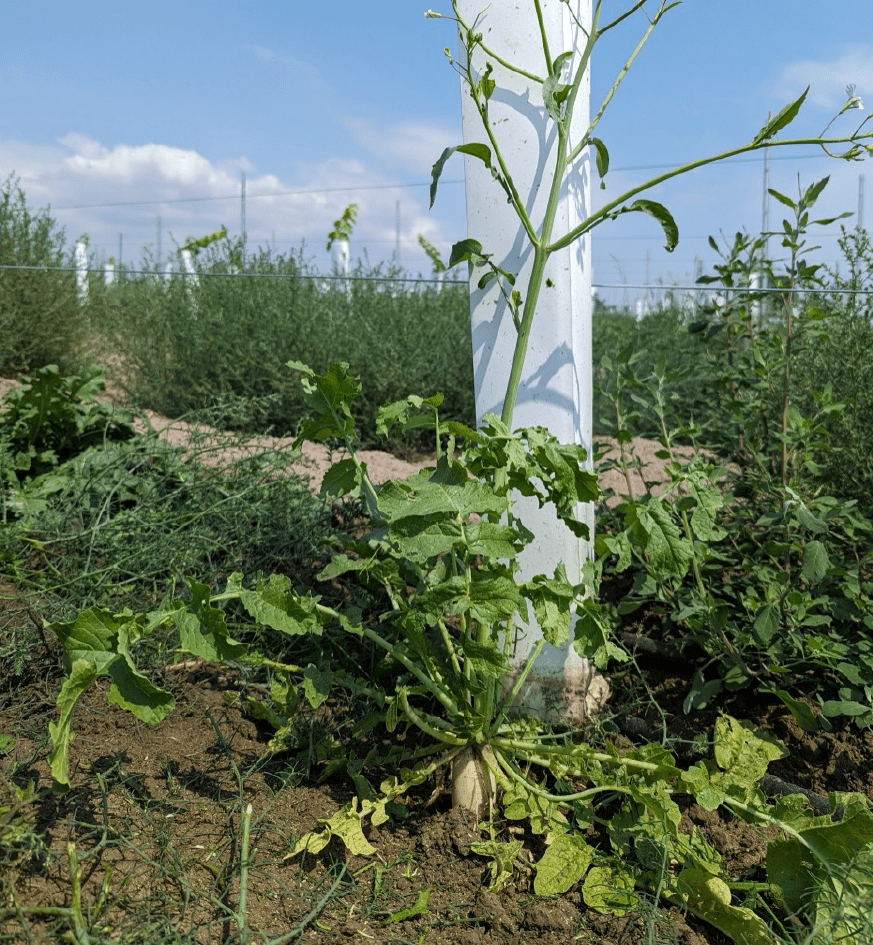
The team faced several barriers, including labor shortages for critical vineyard tasks, rodent damage to young vines and moisture sensors, and equipment limitations, requiring upgrades to irrigation filtration systems and under-vine mowing strategies.
Solutions included partnerships with industry for donated vines, enhanced rodent control, and contracting skilled vineyard crews. These adaptations have improved vineyard uniformity and management efficiency.

Devin Rippner
USDA Agriculture Research Service
Liz Gillispie
Washington State University
