
© Chris Benedict, WSU
Long-term Soil Health Research Progresses Our Understanding of Soils
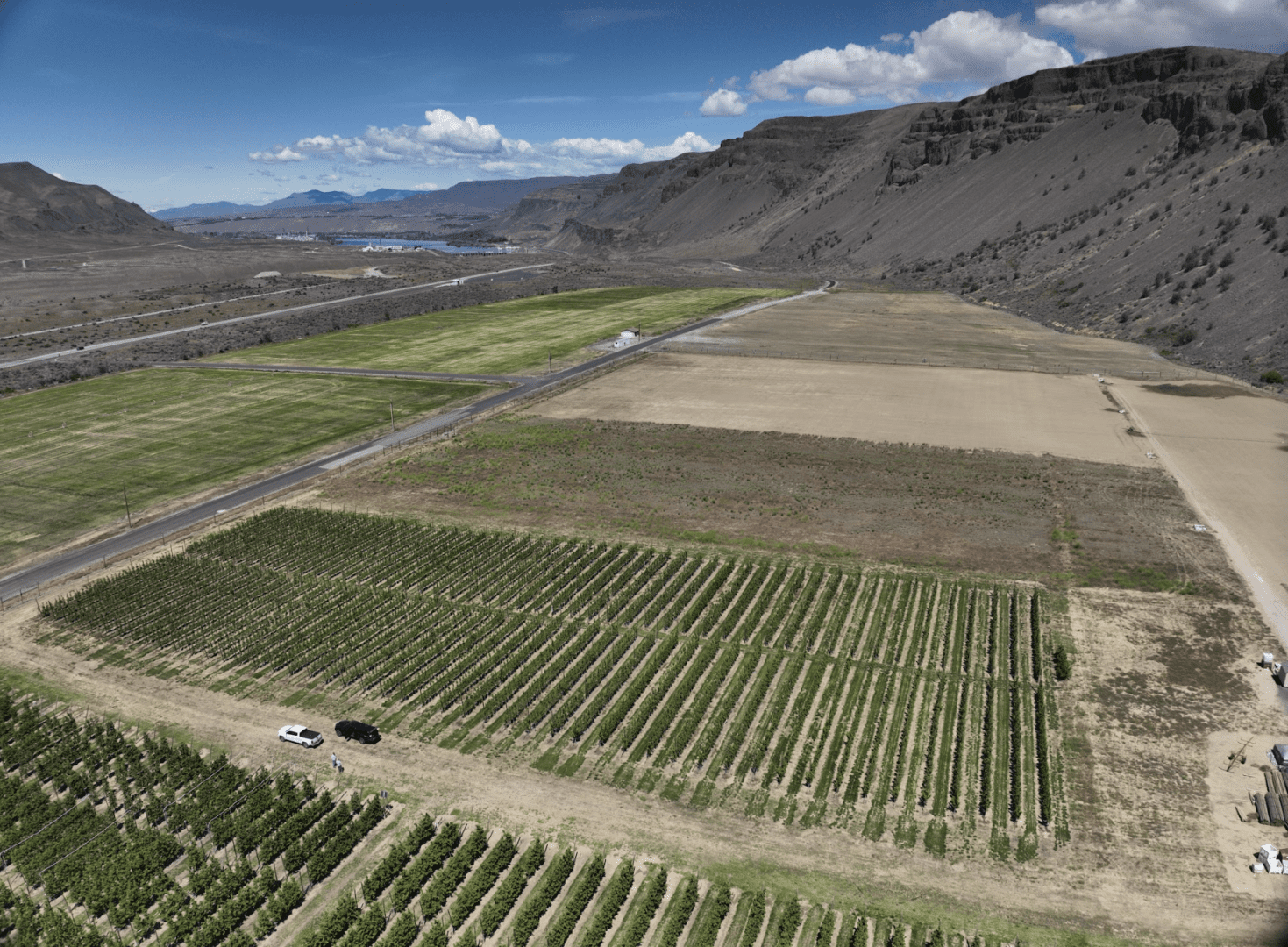
Six sites are operating with the end goal of identifying agricultural practices that benefit the soils of Washington State.
Author: Chris Benedict
June 15, 2026
Background
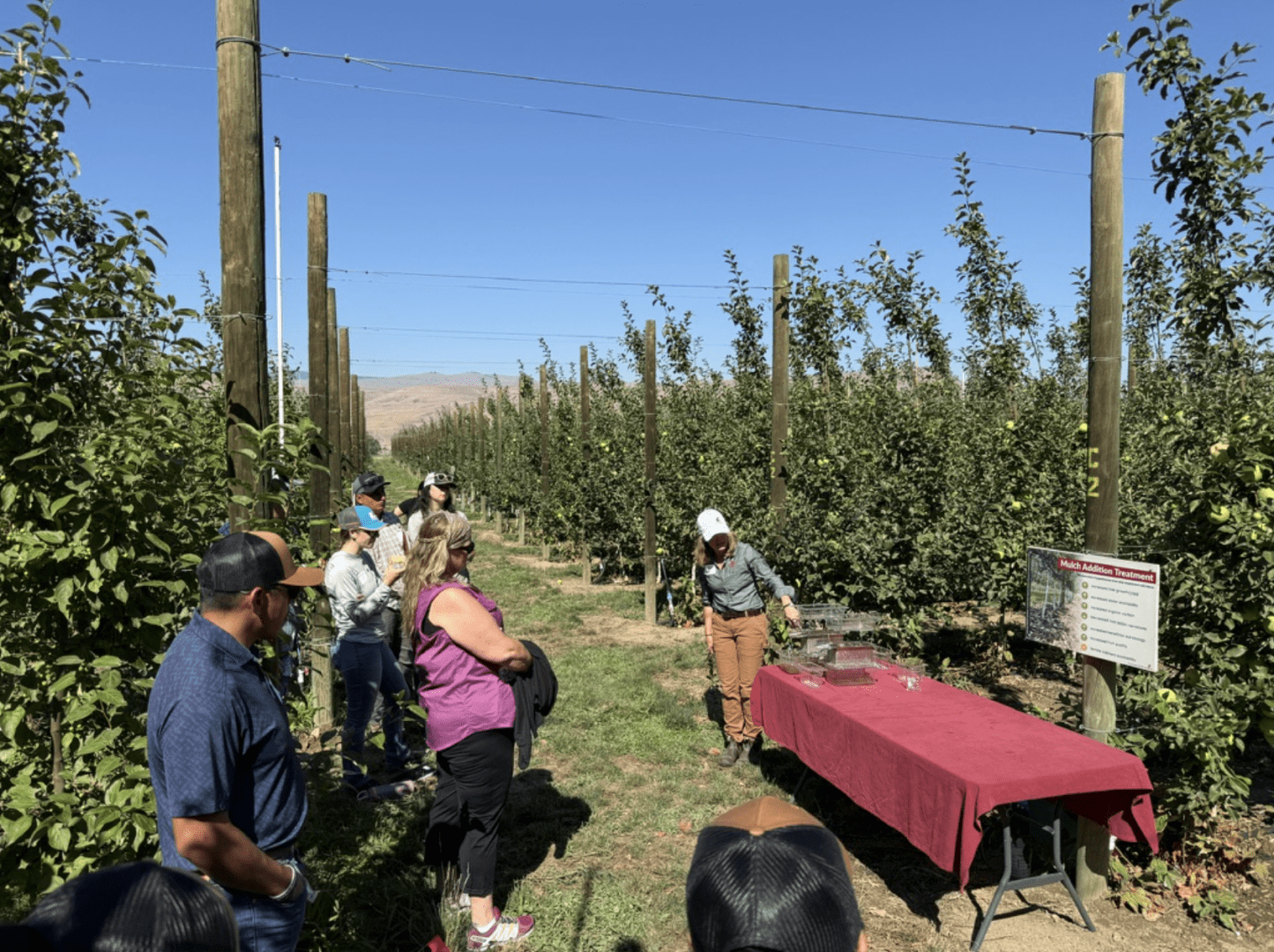
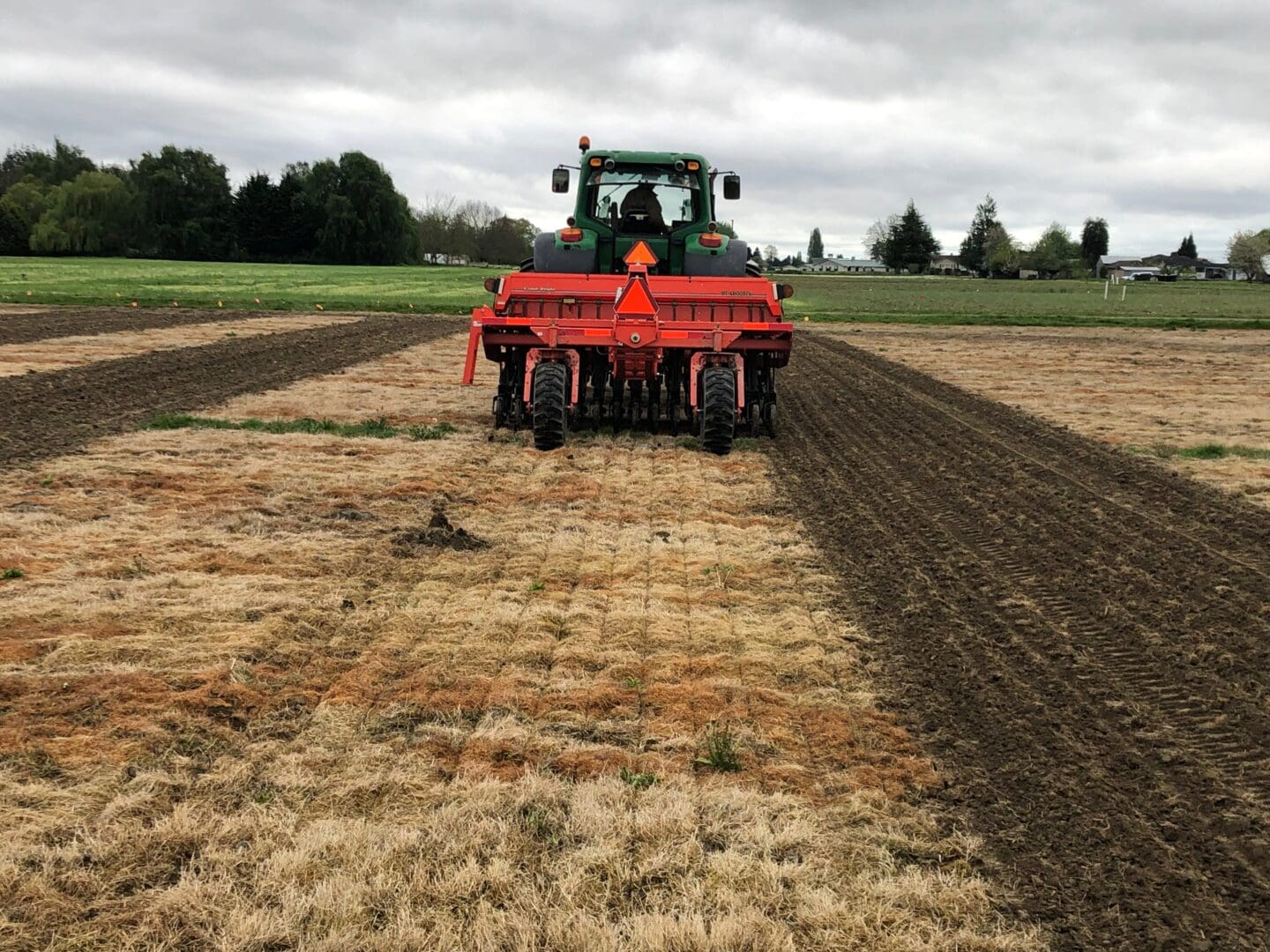
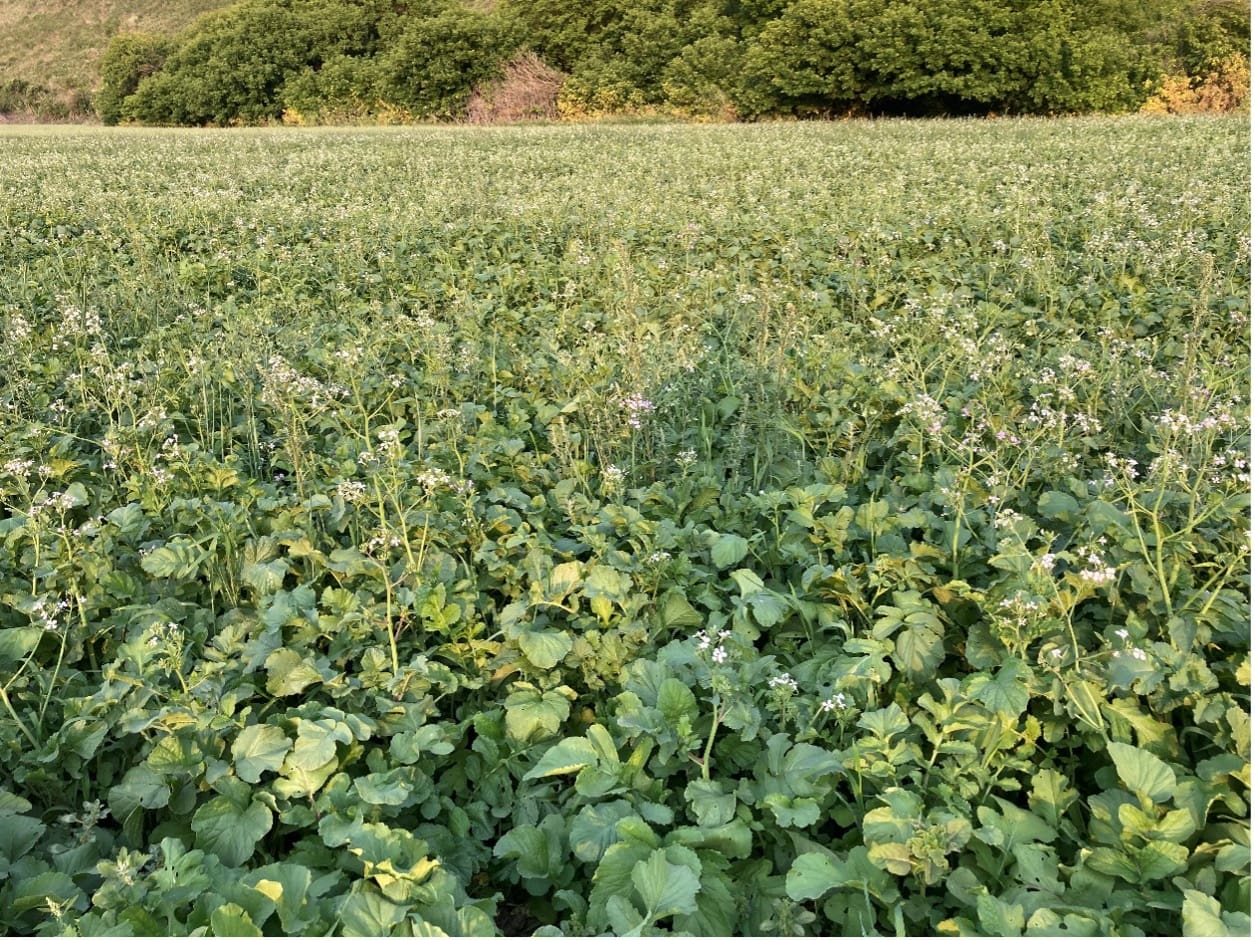
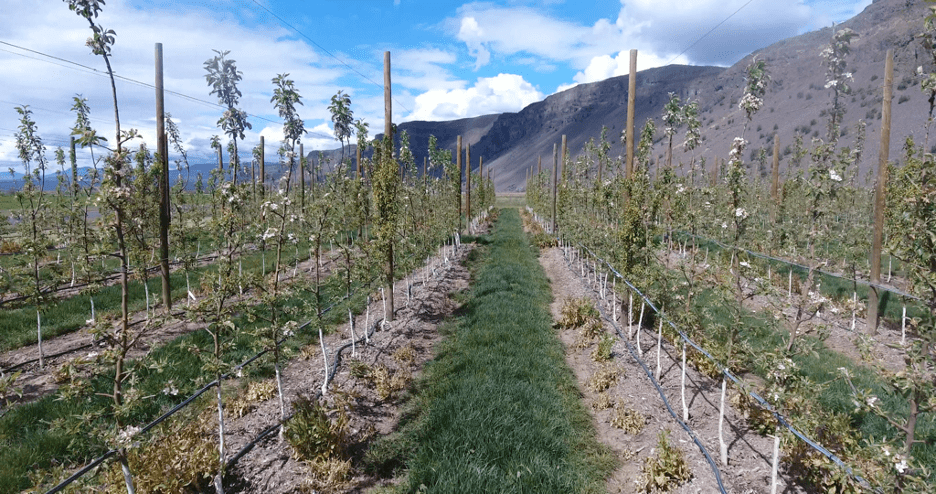
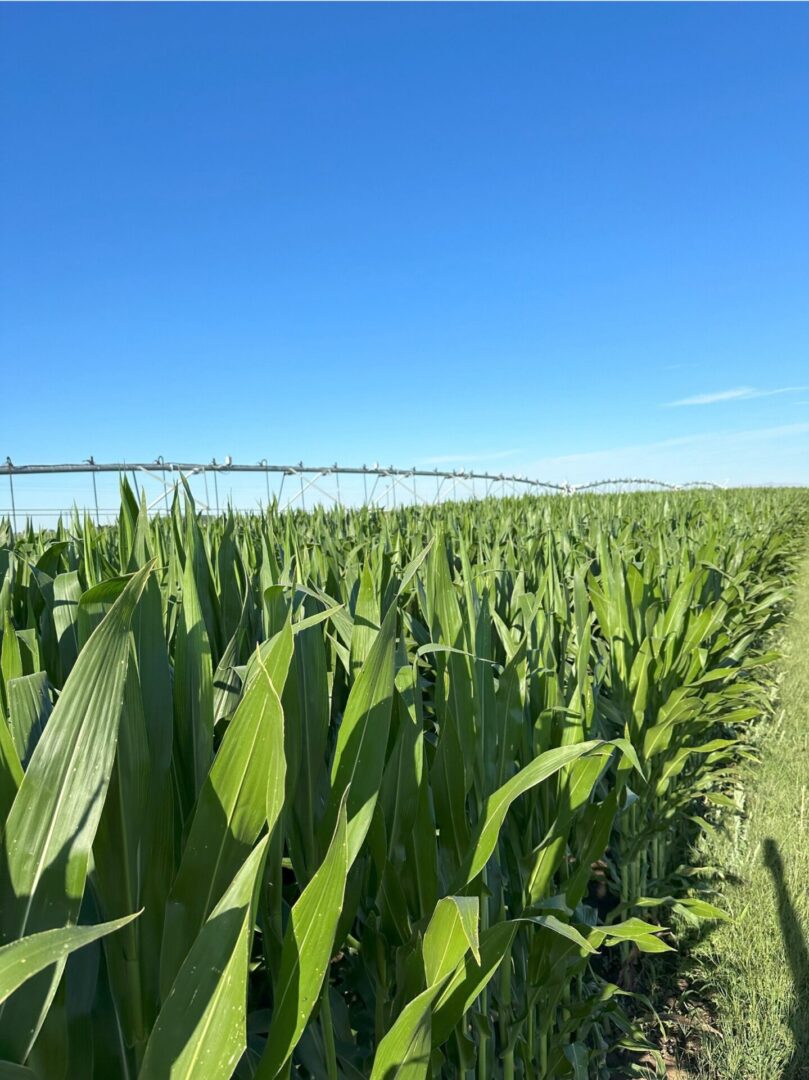
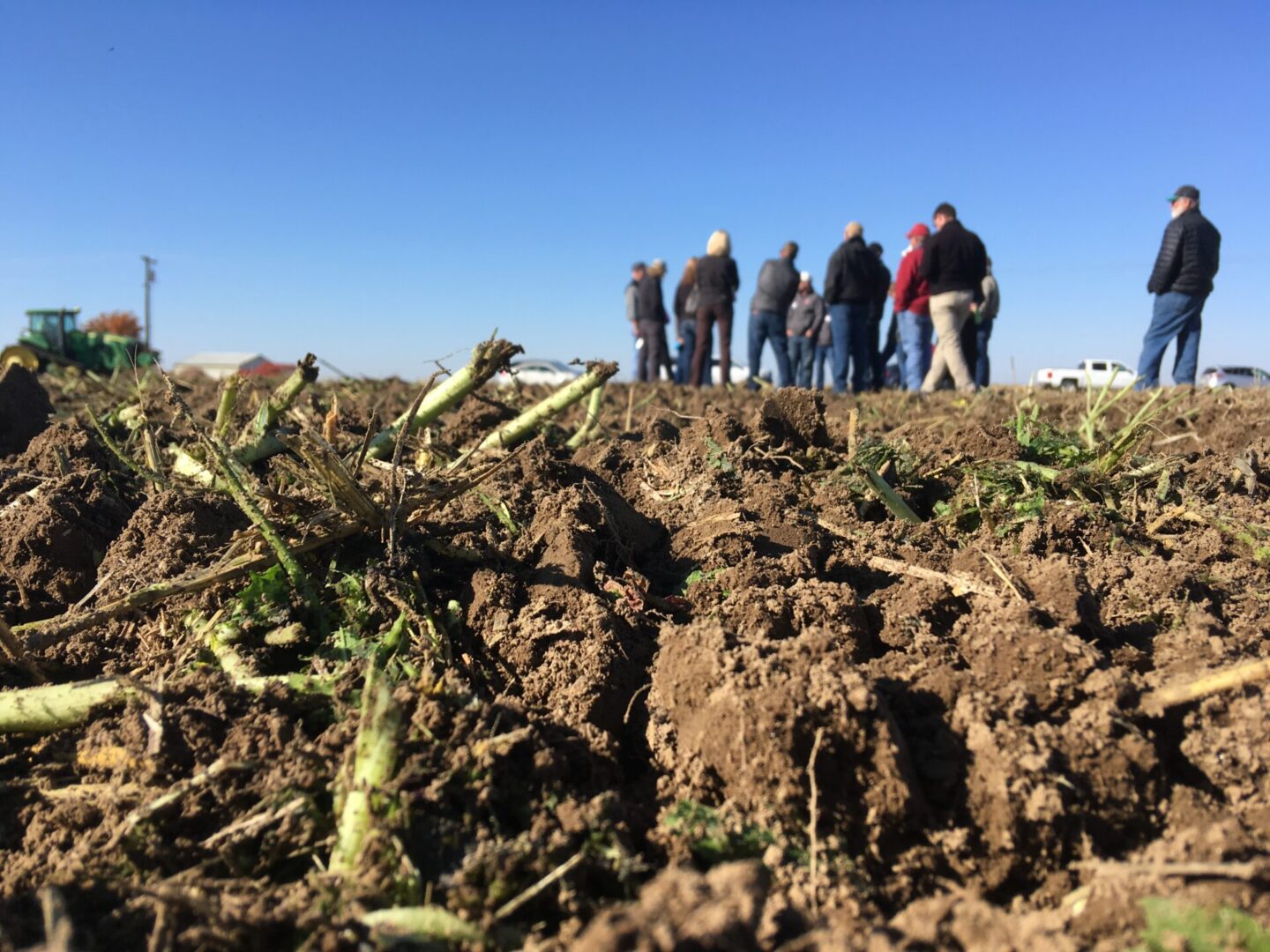
It’s been about a year since we have provided an update on WaSHI’s Long-Term Agroecological Research and Extension (LTARE) network. As of 2026, six sites are operating with the end goal of identifying agricultural practices that benefit the soils of Washington State. Each site consists of treatments that evaluate soil health through a core group of indicators that represent major agro-ecosystems in Washington State. In-depth economic analysis will be performed for each site and treatment to provide land managers with sound information to make decisions. Each LTARE has an Advisory Team that consists of industry representatives (farmers, field reps etc.) that meet regularly and help the investigators develop priorities and goals. In combination, these six sites represent 72% of Washington’s total cropland production value.
LTARE Development and Timeline
Below is a brief timeline of how the LTARE’s came to be and their evolution over the last six years.

Leverage
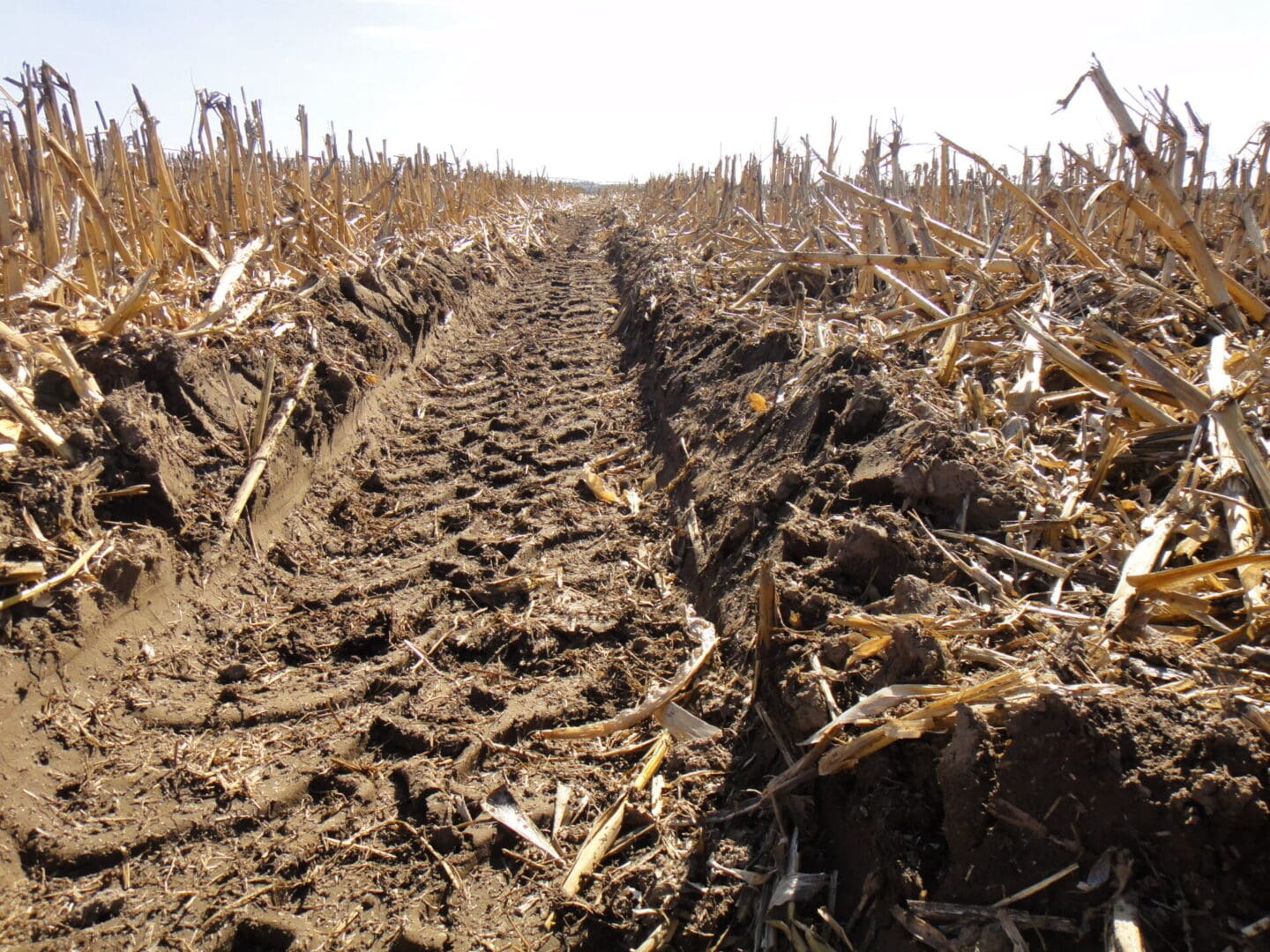
Core funding for these experiments comes from Washington State, but PIs have extensively leveraged these funds to obtain additional funds from other sources. Since 2022, researchers have utilized the investment that the State provides to receive an additional $14.5 million dollars which roughly equates to a 4:1 investment by Washington.
Future Planned Activities
The research will continue on-track progressing the understanding of agricultural practices that protect soils and our food system. Investigators will continue to seek feedback from the LTARE’s Advisory Team that will continue to influence the direction of activities and priorities of each LTARE. We will continue outreach activities to reach land managers, industry personnel, and the general public.

Chris Benedict
Chris Benedict is a professor and faculty lead for the Initiative at Center for Sustaining Agriculture and Natural Resources, WSU.
This article was published by the Washington Soil Health Initiative. For more information, visit wasoilhealth.org. To have these posts delivered straight to your inbox, subscribe to the WaSHI newsletter. To find a soil science technical service provider, visit the Washington State University Extension website or the Washington State Conservation District website.