
WaSHI Soil Health Roadmap
Executive Summary
1
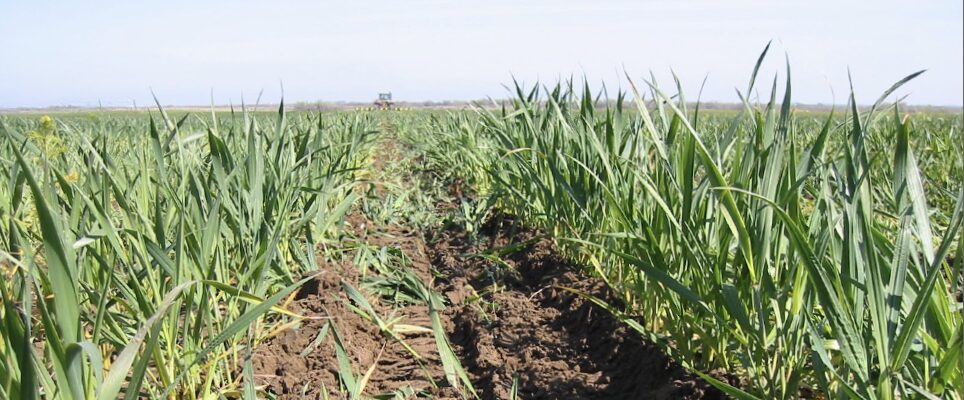
Washington State’s agricultural sector is as diverse as the soil types and climates in the state. Washington has over 35,000 farming operations spread across 14,600,000 acres contributing more than 10 billion dollars to the economy. The top 10 commodities in the state are: apples, milk, potatoes, wheat, cattle, hops, hay, cherries, grapes, and onions. All of this relies, directly or indirectly, on soils. Healthy soils are considered a non-renewable resource, providing a variety of functions essential to plants and animals. The concept of soil health continues to evolve as the science in this field progresses.
The United States Department of Agriculture (USDA) Natural Resource and Conservation Service (NRCS) defines soil health as “…the continued capacity of soil to function as a vital living ecosystem that sustains plants, animals, and humans”.
Farmland with healthy soils benefits agricultural production as well as provides and protects ecosystem services of the surrounding environment. Examples of on-farm benefits include improved soil tilth, nutrient cycling, water holding capacity, and disease suppression. Off-farm benefits include reduced soil erosion, carbon sequestration, and improved water quality. This Soil Health Roadmap for Washington State is intended to be a living document, outlining current issues and pathways to potential solutions, while setting clear goals and milestones to maintain or improve the health of Washington State agricultural soils. As milestones are reached, new ones will need to be set. Likewise, as the science of soil health improves, priorities and practices will also need to evolve.
2
This roadmap divides the state into eight focus areas that included Dryland Agriculture in Eastern Washington, the Environmental Community, Irrigated Columbia Basin, Irrigated Potato Production in the Columbia Basin, Juice and Wine Grapes, Northwestern Washington Annual Cropping Systems, Tree Fruit, and Western Washington Diversified Farming Systems. These focus areas represent over 5.4 million acres, covering roughly 40% of total agricultural land or 72% of non-rangeland cropland in the state. The decision to focus on these areas are to support the parallel efforts as part of the Washington State Soil Health Initiative to establish Long-Term Agroecological Research and Extension sites across the state. The information contained within this roadmap will help to inform the design of these experiments.
The effort to create a Soil Health Roadmap for Washington State was a coordinated effort by many individuals at Washington State University, the Washington StatE Department of Agriculture, and the Washington State Conservation Commission. The roadmap process began in the fall of 2019 with funding from the Washington State Legislature and was completed in the fall of 2021. This roadmap effort utilized a participatory model through direct and indirect interactions with key stakeholders across the state. Information was sought through previous soil health feedback events/needs assessments, inperson and online feedback sessions specifically for this roadmap, and through surveys with key stakeholders.
Some major goals and priorities included:
- The development of universal low-cost soil health measurement tools and set of metrics
- Improved knowledge of soil health
- Preservation of existing soil organic matter with increases of levels in the future
- Understanding of the concept and value of soil health by the general public
This information was collected by focus area leaders, then synthesized with key themes distilled by roadmap editors, and finally reviewed by internal and external partners. While each focus area highlights unique themes of the region and/or production system, several cross-cutting needs and ideas emerged.
Examples of soil health problems include soil pH, soilborne diseases, compaction, wind and water erosion of soils, and poor soil structure that results in flooding and limits access to fields. Many specific milestones were identified, and examples include increases in soil water holding capacity, 30% increase of landowner enrollments in soil health incentive programs, increased capacity of soil health research particularly in eastern Washington, increases in soil carbon levels, reduced soil erosion rates, and improved access to production system specific soil health information.
The roadmap also identified information gaps in our soil health knowledge. Examples include lack of understanding of soil biology by producers and agricultural professionals, difficulties in translating the current scientific understanding into practical agronomic decisions, improved understanding of the relationship between soil health and food quality, and the return on investment of soil health practices. Major barriers to adoption of soil health practices were the complexity of the practices (e.g., crop rotation) as well as difficulty with enrolling in current incentive programs. To overcome these barriers, stakeholders listed the need to increase agency and University capacity and expertise in soil health and large-scale targeted education. Specific policy changes ranged from altering current and future inventive programs to provide flexibility for farmer experimentation to taxing fertilizers, carbon, and soil erosion. Examples of areas where additional investments are needed include quantifying the value of the various services provided by soil health improving practices, University and Extension capacity in soil health, funding for long-term experimentation, and the development of an effective tool to assess soil carbon levels at scale.