
Washington Soil Health Initiative Roadmap
Introduction and Background
1
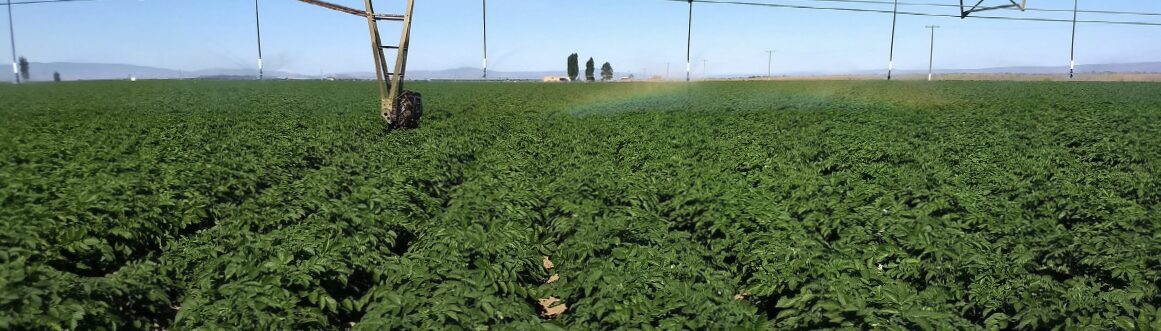
Photo: Waters
Washington State Agriculture
A summary of agriculture in Washington State reads like a cornucopia of crop and livestock production systems. With diverse microclimates resulting from the interaction of the state’s topography and geographic location, the state produces a wide range (300+) of commodity and specialty crops (USDA NASS 2019). The 2017 Census of Agriculture listed apples ($1.95 billion), milk ($1.28 billon), potatoes ($934 million), wheat ($792.5 million), cattle ($698.7 million), hops ($475.6 million), hay ($468 million), cherries ($393.5 million), grapes ($308 million), and onions ($180.5 million) as the highest valued commodities in the state.
As of 2017, 35,793 farms operate on 14,679,857 acres with 66% of farm ownership below 49 acres in size. Cropland and pastureland represent 51% and 31% of total acreage, respectively. Wheat is the crop with the highest number of acres (2,219,069) being grown in both irrigated and dryland areas. Forage (791,783 acres), vegetables (325,634 acres), apples (179,899 acres), and chickpeas (170,401 acres) are the next highest-ranking crops, respectively.
Eastern Washington contains most of the agricultural acreage in the state and consists of both rainfed crops and large-scale irrigation. Within eastern Washington the production system types are highly concentrated, but diverse. In the easternmost portions of the state, dryland wheat and legume systems dominate the landscape representing over 3.7 million acres. Moving west into the coarse-soil, irrigated region of the Columbia Basin (671,000 acres), irrigated land is roughly six times more valuable than non-irrigated land, underscoring the importance of irrigation water in this region. Higher value horticulture crops such as apples ($839.1 million), potatoes ($664.6 million), and onions ($163.6 million) are commonplace, but other agronomic crops such as wheat ($313.3 million) and hay ($225.9 million) are also present. Almost two-thirds of Washington’s potatoes and 20% of all U.S. potatoes are grown in the irrigated Columbia Basin. Juice and wine grape production is present in the Columbia Basin, but more acreage is concentrated in south-central counties such as Benton, Franklin, and Walla Walla.
West of the Cascades agricultural production is concentrated in northern and southern counties. Snohomish, Skagit, and Whatcom Counties comprise 27% of western Washington acreage with Clark, Grays Harbor, Lewis, and Thurston providing another 38% of western Washington acreage. In Island, Snohomish, Skagit, and Whatcom Counties, vegetable seed crops, fresh market potatoes, and perennial crops like red raspberries and blueberries are commonplace. These crop farms are alongside livestock operations such as dairies, nursery/greenhouse/sod farms, short rotation woody crops (trees harvested in less than 10 years typically for pulp, paper, or engineered wood and exclude trees cut for timber), as well as direct-market farms producing a diversity of crops and livestock products which are common throughout much of western Washington.
2
Washington State Soils
Washington State is home to a wide variety of soils, with several hundred unique soils identified and mapped by the NRCS, representing ten of the twelve soil orders recognized by the U.S. Department of Agriculture (USDA) soil classification system (Hipple 2011). The wide array of soil types is due to variation in the five soil forming factors: parent material, climate, topography, organisms, and time.
Parent material, the material from which the soils formed, includes windblown silt that formed the loess soils of the Columbia Plateau and the Palouse to the glacial till and alluvial river valleys formed by sediments eroded from nearby parent material forming the soils of the Puget Sound area in western Washington. Much of the soil in northeastern Washington is from volcanic parent material, the ash blown, again by prevailing winds, from the volcanoes of the Cascades (Steury 2011).
Climate includes both precipitation and temperature, which vary considerably across Washington. For example, annual precipitation varies from about seven inches in parts of the Columbia Basin to more than 300 inches in the Olympic Rainforest (Hipple 2011).
Topography, organisms, and time, the other soil forming factors, interact to result in the wide array of Washington soils.
Washington State Department of Agriculture has created an interactive web tool showing cropping systems in Washington addressed in this report and the soil textures associated with each cropping system.
While inherent soil properties (e.g., texture, minerology) are dictated by the soil forming factors discussed above, soil management impacts the dynamic properties of soils (e.g., organic matter, pH, nutrient content) on a more immediate time scale.
Types of management affecting soil properties may include tillage, application of fertilizers or organic amendments, irrigation, and crop rotations. However, the impact of agriculture on dynamic soil properties can vary significantly depending on the context. For example, estimates indicate that intensive dryland agriculture in the inland Pacific Northwest (PNW) has depleted more than 50% of native soil organic matter, a major determinant of soil health, and has led to increased soil erosion (Awale et al. 2012). Meanwhile, in the Columbia Basin of Washington, irrigated agricultural land has undergone conversion from the native semi-arid shrub-steppe ecosystem with low precipitation and thus low inputs of organic matter. Conversion to irrigated agricultural production of high residue crops has actually increased soil organic matter levels in some areas (Cochran et al. 2007).
3
The What and Why of Soil Health
Soils are vitally important to national security, food and nutritional security, water quality and renewability, climate change mitigation and adaptation, human health, and biological diversity (NASEM 2017). Though soils impact human lives in a myriad of ways, agricultural production is perhaps the most direct connection. Land degradation afflicts over a quarter of Earth’s ice-free land (Olsson et al. 2019). In the U.S., agricultural soils have lost as much as 60% of their carbon content over the last century (Lal 2004). Historic farming practices have resulted in compromised soil health in agricultural systems throughout Washington State, as measured by reduced soil carbon and fertility levels, wind and water erosion, soil compaction, increased incidence and severity of soilborne crop disease, and detrimental impacts to air and water quality. It is imperative to prevent (and reverse) land degradation on agricultural soils occurring through soil erosion, nutrient losses, and losses of ecological integrity (IPCC 2019) if the ecosystem services that healthy soils provide (e.g., nutrient holding capacity, water holding capacity, filtration of nutrients and contaminants, food and fiber production) are desired.
Farmers have long known that taking care of the soil is a critical part of crop production. The Dust Bowl era gave rise to an emphasis on minimizing soil erosion (e.g., conservation agriculture), and more recently attention has shifted to rebuilding degraded soil (e.g., regenerative agriculture). Historically, emphasis on soil management for crop production has been focused on managing the chemical (e.g., pH, nutrient levels) and physical (e.g., compaction) characteristics of soil. However, with a growing awareness of the complexity of soil systems there is a better understanding of the critical role of soil biology.
The concept of “soil health” recognizes soil as a dynamic living system and emphasizes the multiple functions of a soil essential to sustaining agricultural production: plant production, nutrient cycling, water storage and availability, and diversity of biological habitats. The USDA Natural Resources Conservation Service (USDA-NRCS) has adopted the description of soil health proposed by Doran et al. (1996) “the continued capacity of soil to function as a vital living system, within ecosystem and land-use boundaries, to sustain biological productivity, maintain the quality of air and water environments, and promote plant, animal, and human health.”
Healthy soils are resilient against disturbances such as flooding, drought, or high winds; support crop production with suitable nutrient, moisture, and physical conditions; support beneficial biological activity that decomposes crop residues, cycles nutrients, forms soil structure, and helps suppress disease; and contribute to environmental sustainability by filtering pollutants and reducing run-off. While the specific characteristics that constitute a healthy agricultural soil are context dependent, they generally include high levels of crop productivity; stable structure; high water-holding capacity, infiltration, and drainage and a level of organic matter that sustains all these; nutrient retention and recycling; the presence of beneficial soil organisms within the microbial community; low populations of plant pathogens and pests; minimal erosion; and an ability to quickly recover from stresses. In contrast, soils that are not healthy have properties that limit crop productivity and are constrained by problems such as erosion, compaction, poor structure, poor water and nutrient retention, and high levels pest pressures (Larkin 2015).
Soil health is assessed by evaluating the soil’s ability to perform desired ecosystem functions and involves measuring soil physical, chemical, and biological indicators in response to changes in management (Awale et al. 2017).
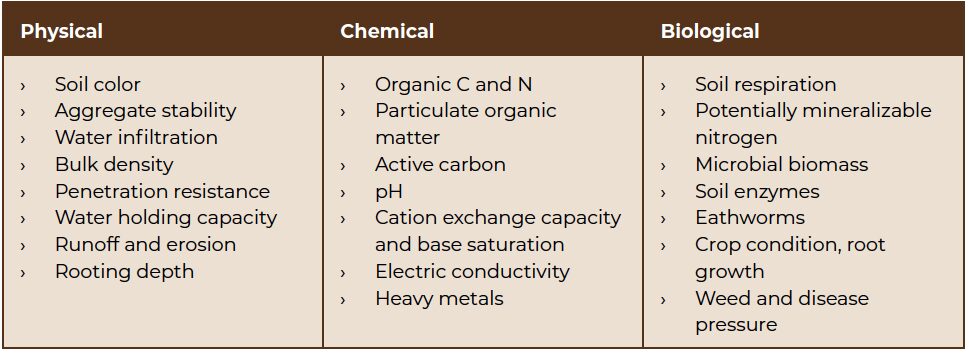
Table 1. Potential physical, chemical, and biological properties used in soil health assessments.
(Adapted from Awale et al. 2017)
Soil health assessment frameworks are an active area of research, particularly with respect to better understanding how soil health assessment relates to crop yield and quality in the context of regional cropping systems. Much of the past work on soil health assessment in the U.S. has taken place in the Northeast or Midwest, with more recent efforts underway in the PNW.
4
Management Practices that Can Improve Soil Health
There are several principles growers can follow to support soil health: minimize soil disturbance (reduce tillage), keep soil covered (cover cropping, mulching), maximize the duration of living roots (cover cropping, including perennial crops in rotations), and maximize diversity of crops within rotation (USDA-NRCS 2012). Though it should be pointed out that the means to achieving healthier soils will vary as farmers adapt these principles to their own farm similarly as variations in achieving a human health vary person to person. Examples of specific practices that are used to improve soil health include increasing organic matter by retaining crop residues, addition of organic (carbonbased) amendments and green manures - crops grown to be plowed into the soil. Management practices are typically targeted to address a particular issue of concern (e.g., soilborne disease, wind erosion). It should be noted that feasibility of implementing specific practices varies significantly based upon constraints of particular cropping systems. For example, perennial systems such as tree fruit do not offer opportunities for diversifying rotations or reducing tillage. Farmers are already accustomed to managing complex biological systems, but regional differences in climates, soils, pest pressures, and other complexities of farming may limit the transfers of successful strategies from one region to another.
Benefits
Healthy soils can result in the production of healthy crops, while minimizing the negative off-farm impacts of agriculture. Ascribing value to “internal” (on-farm) benefits is relatively straightforward, as healthy soils can result in increases in crop yield or quality, or decreased costs. “External” (off-farm) benefits of soil health, however, are more challenging to value. However, the valuation of external public benefits is a critical piece of the puzzle for widespread adoption of soil health practices (Bennett et al. 2010). Various categories of benefits are described below.
Soil Health and Food Production
Healthy soils can help agricultural systems be more resilient in the face of environmental stresses (e.g., drought). In an ideal scenario, improvement of soil health leads to improvements in yieldlimiting factors (e.g., through improved water-holding capacity, improved nutrient cycling, or reduction of soilborne pathogens), which can result in closing the gap between realized and potential crop yield. However, crop yield and quality increases are not inevitable outcomes of soil health management (Miner et al. 2020) or may take years to be realized. Targeted approaches are needed to identify the specific cropping systems contexts in the region that hold promise for positive impacts on crop yield and quality. Existing soil research in regional cropping systems can provide relevant insights, particularly research on effects of specific management practices relevant to soil health (e.g., conservation tillage, cover cropping).
Soil Health and Food Quality
The connection between soil health and food quality is currently not well understood. While some studies (e.g., Reeve et al. 2016, Antunes et al. 2012) have explored the links between these two factors, differences can be largely attributable to variables such as soil nutrient levels, but not necessarily healthy versus unhealthy soils. This is an area that could use additional investment of resources to further evaluate the connection.
Soil Health and the Environment
In addition to benefits to agricultural production, soil health can provide off-farm environmental benefits. The major benefits in this category include carbon sequestration, water storage and drainage, water quality improvement through reduced soil erosion and nutrient runoff, air quality improvement through reduced wind erosion, biodiversity, and ecosystem health and resilience. Some details on each of these are provided below.
Carbon Sequestration
Soil holds an enormous amount of carbon – an estimated 1,500 Gt of soil organic carbon is stored in the top meter of soils (Powlson et al. 2011), compared to roughly 270 Gt carbon stored in standing forest stocks globally (FAO 2010). Soil carbon levels may be increased through management practices promoting soil health, offering an important opportunity to drawdown atmospheric carbon through sequestration. Though research on the potential for carbon sequestration in agricultural soils in Washington is limited, Yorgey et al. (in review) provide a summary of the available research in the inland PNW, finding that the opportunities to build soil organic carbon are greater in annually cropped systems with higher productivity, though the benefits of particular management practices are variable and depend on multiple environmental and physical conditions. Yorgey et al. (2017) identified the following as a priority for cropland agriculture in the PNW: Develop technical or other approaches to overcome existing barriers to increasing organic inputs (e.g., compost, manure, biosolids, biochar) in cropping systems, to support adoption of practices with substantial potential to increase carbon sequestration across the region.
Water Infiltration and Storage/Water Quality
Water is an important limiting factor for agriculture due to Washington’s Mediterranean climate pattern where the potential evapotranspiration exceeds precipitation during the growing season. Thus, crops often rely on soil water storage or on irrigation during the dry months of the growing season. Increasing soil organic matter through soil health practices tends to improve both water infiltration and the capacity of soils to store water. Improved water-holding capacity and infiltration means less leaching and surface runoff, both helpful for minimizing sedimentation and nutrient and chemical losses into lakes, streams, and groundwater. Conversely, inadequate drainage can result from poor soil structure with intensive use, loss of organic matter, and compaction, contributing to poor soil drainage in wet climates (Magdoff and Van Es 2010).
Water and Wind Erosion
Water erosion is a serious issue in areas such as the hilly Palouse region with soil losses of 10 to 30 tons per acre per year. This issue is largely caused by exposed soil during precipitation events, and its importance varies by production system and geographic region. Wind erosion is a significant issue in parts of eastern Washington’s Columbia Basin. In some cases, there’s enough blowing soil to close roadways due to lack of visibility. More important for producers is the loss of topsoil and damage to young plants that can result from windstorms. Soil health practices that promote soil cover or stabilize soil, such as high residue farming, tillage reduction, or incorporation of green manures can reduce wind erosion (McGuire 2011).
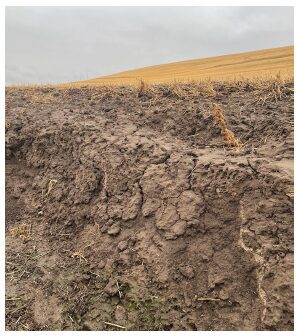
Figure 1. Ditch erosion in the Palouse region.
(Photo: Sullivan)
Biodiversity
It’s estimated that soils contain more than 25% of all living species on Earth (Turb. et al. 2010). Soil biodiversity is critical not only for ecosystem functions such as nutrient cycling, water filtration, and plant disease suppression, but soil organisms have also provided some of humanity’s most commonly used antibiotics - penicillin and streptomycin. Meanwhile, only a small fraction of soil microorganisms have been identified.
Ecosystem Health and Resilience
Benefits that can result from ecosystem services provided by healthy soils include improved water quality (less eutrophication), due to reduced sedimentation and nutrient runoff from farmland, and reduction in use of pesticides and off-farm nutrient inputs with their associated environmental impacts. There has been little quantification of these benefits in the PNW, but several (Bennett et al. 2010, Dominati et al. 2014, Dominati et al. 2016) have provided a framework for thinking about soil health and private vs. public benefits.
5
Management Practices that Can Improve Soil Health
Economic Value of Ecosystem Services
The Nature Conservancy (2016) estimates that for each 1% of cropland in the U.S. adopting an adaptive soil health system, annual economic benefits translate into $226 million of societal value through increased water-holding capacity, reduced erosion and nutrient loss to the environment, and reduced greenhouse gas emissions, as well as $37 million of on-farm value through greater productivity. Such calculations were based on soy-corn-wheat rotations in the Midwest but given the lack of such estimates currently available for the PNW, these figures may provide some indication of the magnitude of the potential economic value that exists.
Barrires
Given all of the benefits mentioned above, why isn’t attention to soil health the norm in agricultural production? Advances in science, economics, and policy are all needed to work toward more widespread adoption of soil health practices (The Nature Conservancy 2016). The science of soil health assessment is still evolving, and farmers need accurate, standardized, and cost-effective on-field soil health measurement tools as well as demonstration of effective soil health strategies relevant to particular cropping systems. Current business models do not encourage investment in soil health, particularly as the results of soil health practices on increasing yield and quality of crops can be quite variable and benefits often accrue over many years. The thin margins and inability to take on additional risk make financial incentives and support for on-farm experimentation critical for adoption of practices. Likewise, policy changes are needed that value societal and environmental benefits and encourage long-term investment in soil health by farmers and landowners.
Soil Health Related Initiatives
Across the U.S., 16 states have undertaken or are in the process of undertaking initiatives that focus (at least in part) on maintaining soil health on working lands. Below is a compiled list of such programs as of June 6, 2021.
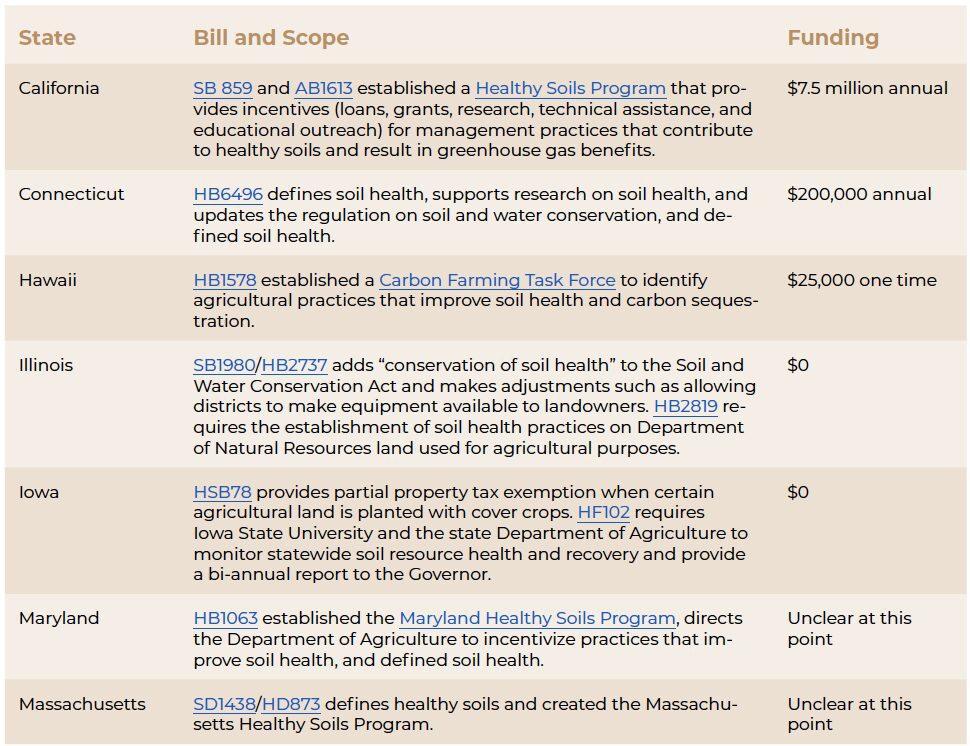
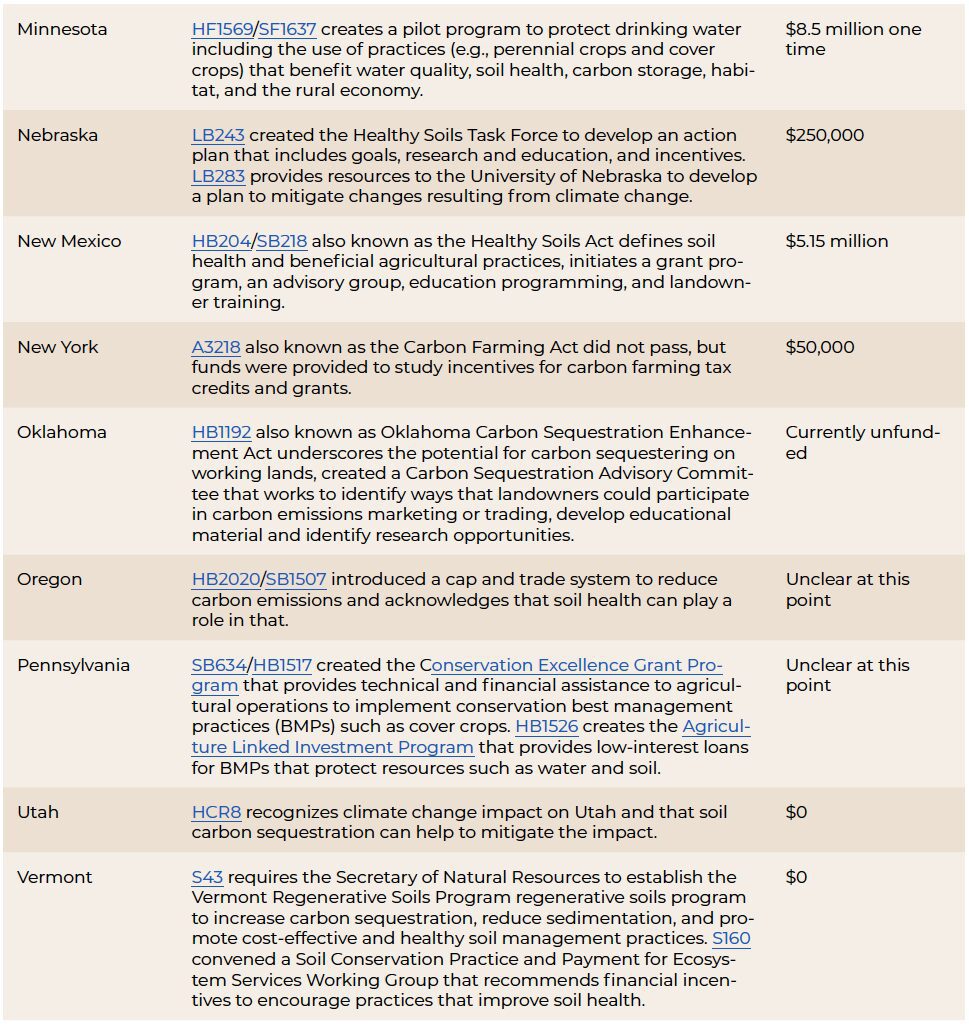
Table 2. List of current soil health initiatives across the United States.
Washington State Soil Health Initiative
This is a coordinated effort between the Washington State Department of Agriculture, Washington State Conservation Commission, and Washington State University. This effort emerged from interests across various sectors including the agricultural industry, environmental interests, and the general public. Projected outcomes from this effort include knowledge of the status of soil health across the state, better understanding of management practices that positively impact soil health, increased adoption of these practices, and increases in food productivity and farm profitability as well as benefits to the environment. Initial rounds of state funding began in 2019, with full funding taking shape in 2021.
6
Current Soil Health Related Support Mechanisms and Efforts in Washington State
Several federal and state resources are available to landowners. In the state of Washington, landowners typically work with their local conservation district to determine availability for funds and to enroll in a specific program. Below is a current list of the programs that include soil healthpromoting practices available to Washington landowners.
Conservation Innovation Grants Program (NRCS): Funds are available to select counties to undertake practices such as no-till, strip-till, direct seeding, mulch till, cover cropping, or conservation crop rotation.
Conservation Stewardship Program (NRCS): Funds are provided for a variety of practices used to protect and improve soil health that include crop rotation, no-till, controlled traffic farming, cover cropping, intensive cover cropping, use of multi-species cover cropping, intensive cover cropping, soil health assessments, reduce tillage, enhanced field borders, increase riparian herbaceous cover, mulching, conversation of cropland to grass-based agriculture, forage and biomass planting, improved grazing management, range planting, use of precision agriculture technologies, and planting specifically for high soil carbon sequestration.
Environmental Quality Incentives Program (NRCS): Provides financial and technical assistance to agricultural producers and landowners to protect soil on working lands. Specific funding pools related to soil health include Organic Initiative (assists with transition to organic production), Conservation Activity Plans (customized conservation practices to address specific natural resource concerns), and Statewide Soil Health (conservation practices that improve soil health).
Emergency Watershed Protection Program (NRCS): A program that responds to emergencies created by natural disasters. Funds can be used to repair conservation practices, repair erosion, or establish cover on eroding soils.
Agricultural Conservation Easement Program Agricultural Land Easements (NRCS): This program works with a variety of entities to purchase a perpetual agricultural easement to protect agricultural use.
Regional Conservation Partnership Program (NRCS): Promotes NRCS conservation activities to address on-farm, watershed, and regional concerns. Project examples include the development of environmental/carbon markets for landowners, reduction of soil erosion, farmland protection, riparian protection, and carbon sequestration.
Conservation Reserve Enhancement Program (Conservation Districts): This program partners with landowners to install riparian buffers for 10-15 years and landowners are paid rent during that period.
Natural Resource Investments Program (Conservation Districts): This program supports the installation of best management practices that reduce soil erosion and increase the use of direct seeding.
Voluntary Stewardship Program (Conservation Districts): This program helps to protect critical areas where agricultural activities occur and assist to protect farmland by preventing urban growth.
Sustainable Farms and Fields Program (Conservation Districts): This new program as part of the coordinated Washington State Soil Health Initiative aims to mitigate carbon emissions by improving fossil fuel efficiencies on farms and implementing carbon farming practices.
Resources
- Magdoff, F., and H. Van Es. 2010. Building Better Soils for Better Crops. 3rd edition. https://www.sare.org/resources/
- building-soils-for-better-crops-3rd-edition/
- NRCS soil health webpage: https://www.nrcs.usda.gov/wps/portal/nrcs/main/soils/health/
- Soil Health Institute https://soilhealthinstitute.org/
- Soil Health Partnership https://www.soilhealthpartnership.org/
7
References
- Antunes, P.M., Franken, P., Schwarz, D., Rillig, M.C., Cosme, M., Scott, M., Hart, M.M., 2012. Linking Soil Biodiversity and Human Health: Do Arbuscular Mycorrhizal Fungi Contribute to Food Nutrition?, in: Wall, D.H. (Ed.), Soil Ecology and Ecosystem Services. Oxford University Press, pp. 153–172. https://doi.org/10.1093/acprof
- Awale, R., S. Machado, R. Ghimire, and P. Bista. 2017. Soil Health. In Advances in Dryland Farming in the Inland Pacific Northwest, p. 47-97. G. Yorgey and C. Kruger, eds. Washington State University Extension, Pullman, WA. http://pubs.cahnrs.wsu.edu/wp-content/uploads/sites/2/2017/06/em108-ch2.pdf.
- Bennett, L.T., P.M. Mele, S. Annett, and S. Kasel. 2010. Examining links between soil management, soil health, and public benefits in agricultural landscapes: An Australian perspective. Agriculture, Ecosystems & Environment 139(1–2): 1-12. https://doi.org/10.1016/j.agee.2010.06.017.
- Cochran, R., H. Collins, A. Kennedy, and D. Bezdicek. 2007. Soil carbon pools and fluxes after land conversion in a semiarid shrub-steppe ecosystem. Biology and Fertility of Soils 43(4): 479–489. https://doi.org/10.1007/s00374-006-0126-1.
- Dominati, E.J., Mackay, A.D., Bouma, J., Green, S., 2016. An Ecosystems Approach to Quantify Soil Performance for Multiple Outcomes: The Future of Land Evaluation? Soil Sci. Soc. Am. J. 80, 438–449. https://doi.org/10.2136/sssaj2015.07.0266
- Dominati, E.J., Mackay, A., Green, S., Patterson, M., 2014. A soil change-based methodology for the quantification and valuation of ecosystem services from agro-ecosystems: A case study of pastoral agriculture in New Zealand. Ecol. Econ. 100, 119–129. https://doi.org/10.1016/j.ecolecon.2014.02.008
- Doran, J.W., M. Sarrantonio, and M.A. Liebig. 1996. Soil health and sustainability. Advances in Agronomy 56: 1–54.
- FAO 2010. Global Forest Resources Assessment 2010. FAO Forestry Paper 163. Food and Agriculture Organization of the United Nations, Rome.
- Hipple, K.W. 2011. Washington Soil Atlas. Natural Resources Conservation Service. https://www.nrcs.usda.gov/wps/portal/nrcs/detail/wa/soils/?cid=nrcs144p2_036334 Accessed 17 March 2021.
- IPCC. 2019. Summary for policymakers. In Climate change and land: An IPCC special report on climate change, desertification, land degradation, sustainable land management, food security, and greenhouse gas fluxes in terrestrial ecosystems, p. ?? P.R. Shukla et al., eds. Intergovernmental Panel on Climate Change, Geneva, CH. https://www.ipcc.ch/srccl/chapter/summary-for-policymakers/
- Lal, R. 2004. Soil carbon sequestration impacts on global climate change and food security. Science. 304:1623- 1627. https://doi.org/10.1126/science.1097396.
- Larkin, R.P. 2015. Soil health paradigms and implications for disease management. Annual Review of Phytopathology 53(1): 199–221. https://doi.org/10.1146/annurev-phyto-080614-120357.
- Magdoff, F., and H. Van Es. 2010. Building Better Soils for Better Crops. 3rd edition. https://www.sare.org/resources/building-soils-for-better-crops-3rd-edition/
- McGuire, A. 2011. Controlling Early Season Wind Erosion in Columbia Basin Potato Fields. WSU Extension Publication FS025E. http://pubs.cahnrs.wsu.edu/publications/pubs/fs025e/
- Miner, G.L., J.A. Delgado, J.A. Ippolito, and C.E. Stewart. 2020. Soil health management practices and crop productivity. Agriculture and Environmental Letters. 2020;5:e20023. https://doi.org/10.1002/ael2.20023
- National Academies of Sciences, Engineering, and Medicine. 2017. Soils: The foundation of life—Proceedings of a workshop, in brief. Washington, DC: National Academies Press. https://doi.org/10.17226/24866
- Powlson, D.S., A.P. Whitmore, and K.W.T. Goulding. 2011. Soil carbon sequestration to mitigate climate change: a critical re-examination to identify the true and the false. European Journal Soil Science. 62: 42–55. https://doi.org/10.1111/j.1365-2389.2010.01342.x.
- Reeve, J.R., L.S. Hoagland, J.J. Villalba, P.M. Carr, A. Atucha, C. Cambardella, D.R. Davis, and K. Delate. 2016. Organic Farming, Soil Health, and Food Quality: Considering Possible Links. In Advances in Agronomy, vol 137, p.319-367. D.L. Sparks, eds. https://doi.org/10.1016/bs.agron.2015.12.003
- Steury, T. 2011. A Fine Thin Skin—wind, water, volcanoes, and ice. Washington State University Magazine. https://magazine.wsu.edu/2011/07/29/a-fine-thin-skin-wind-water-volcanoes-and-ice/
- The Nature Conservancy. 2016. reThink soil: A roadmap for U.S. soil health. https://www.nature.org/content/dam/tnc/nature/en/documents/rethink-soil-executive-summary.pdf
- Turbe, A., A. De Toni, P. Benito, P. Lavelle, P. Lavelle, N. Ruiz, W.H. Van der Putten, E. Labouze, and S. Mudgal. 2010. Soil biodiversity: functions, threats and tools for policy makers. Bio Intelligence Service, IRD, and NIOO, Report for European Commission (DG Environment).
- United States Department of Agriculture, NRCS. 2012. Healthy Productive Soils Checklist for Growers. https://www.nrcs.usda.gov/wps/portal/nrcs/main/national/soils/health/
- United States Department of Agriculture National Agriculture Statistical Service (USDA NASS). 2019. 2017 Census of Agriculture. Vol1. Part 51. 820 pages. https://www.nass.usda.gov/Publications/AgCensus/2017/Full_Report/Volume_1,_Chapter_1_US/usv1.pdf
- Yorgey, G.G., S.A. Hall, K.M. Hills, C.E. Kruger, and C.O. St.ckle. (in review) Carbon Sequestration Potential in Cropland Soils in the Pacific Northwest: Knowledge and Gaps. Undergoing peer review as a Pacific Northwest Extension Publication, Washington State University, Pullman, WA. http://s3-us-west-2.amazonaws.com/wp2.cahnrs.wsu.edu/wp-content/uploads/sites/32/2019/11/C-sequestration-in-iPNW-croplands.pdf
- Yorgey GG, Hall SA, Allen ER, Whitefield EM, Embertson NM, Jones VP, Saari BR, Rajagopalan K, Roesch-McNally GE, Van Horne B, Abatzoglou JT, Collins HP, Houston LL, Ewing TW and Kruger CE. 2017. Northwest U.S. Agriculture in a Changing Climate: Collaboratively Defined Research and Extension Priorities. Front. Environ. Sci.5:52. http://doi.org/10.3389/fenvs.2017.00052