
Washington Soil Health Initiative Roadmap
Irrigated Potato Production in the Columbia Basin
1
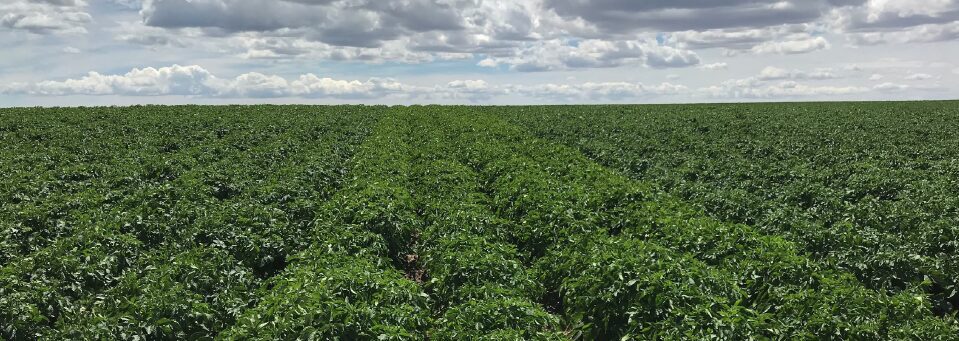
Photo: Waters
Primary Authors: Matthew Blua, Andy Jensen, and Andy McGuire
Current Situation
Currently, there are approximately 160,000 acres of mostly processing potatoes grown annually in the Columbia Basin with ~10,000 acres of fresh market potatoes grown in northwestern WA. At an average of over 30 tons per acre, the yield of potatoes in the Columbia Basin is the highest in the world. Ninety percent of WA potatoes are grown for processing including for french fries, with the remainder grown for fresh market sales, chipping, or dehydration. Net profits for potato growers are low relative to past years yet demand for potatoes is strong and increasing. Because processors in WA are increasing capacities, the demand for more potatoes will continue into the foreseeable future. Although there are nearly one million irrigated acres in Eastern and Central Washington, many acres are under permanent crops and are therefore not available for potato growing. Potatoes here are generally grown under a 3 to 4-year rotation, which is usually required in contracts with processors, presumably because potato cultivation is disruptive to soil and time is required to regenerate soil that will support high potato yield and quality after a prior potato crop. Thus, given available farmland and rotations, the acres under annual potato production will not increase unless more irrigated farmland becomes available, or rotations are reduced without compromising yield and quality. In addition, to fulfill demand, management of potato production will need to improve to maximize yields on all acres under cultivation. Soil health issues are complicated by the use of fumigants, currently necessary to reduce soilborne pathogens and nematodes and attain those high yields. Fumigation is the most expensive single operation in potato production.
Potato production involves several key factors that interact to reduce soil health, including the substantial tillage required by a potato crop for bedding and harvest that disrupts soil horizons and aerates soils causing oxidation of organic matter, and the fact that potato leaves relatively little plant residue behind to control wind erosion. But the most important issue regarding potato soils involves the buildup of important soilborne pathogens and nematodes, particularly Verticillium dahliae which induces Verticillium wilt, and Meloidogyne chitwoodi, the Columbia root-knot nematode.
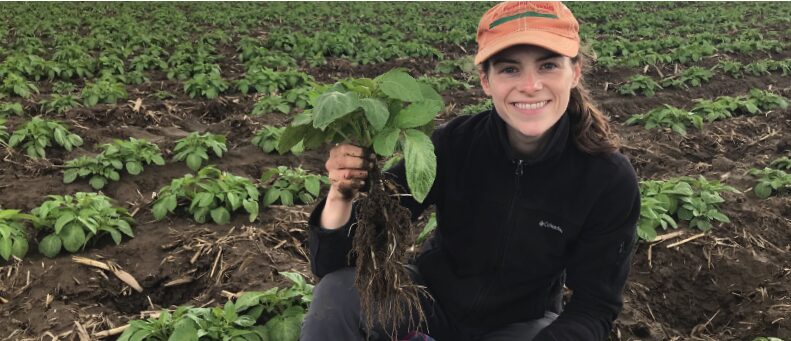
Figure 21. Researcher obtaining potato root samples to evaluate the soil-root microbiome. (Photo: Sarpong)
2
Soil Health Issues
- Soilborne pathogens and nematodes
- A system that requires increased production while depending on leased farmland which discourages tenant and landlord investment in soil health-building practices
- 3-4 year rotations due to 1 (above) leading to 2 (above)
Causes of Soil Health Issues
- Soilborne pathogens and nematodes, particularly Verticillium dahliae which induces Verticillium wilt, and Meloidogyne chitwoodi, the Columbia root-knot nematode, persist through rotations at levels that cause economic damage
- Fumigation, bedding, harvesting, and other tillage operations
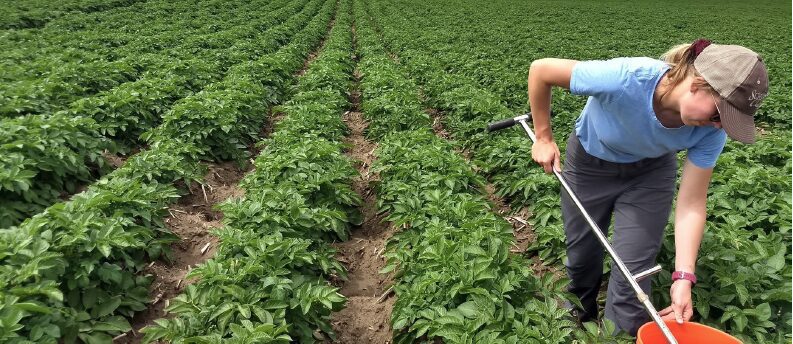
Figure 22. Researchers taking soil samples to evaluate soil health in Columbia Basin potato fields. (Photo: Griffin LaHue)
A survey was sent to the Irrigated Agriculture listserv managed by WSU Extension on February 13, 2020 and was closed on March 7, 2020 (Appendix 1). 147 crop growers/producers, 54 crop consultants and 16 livestock producers participated, for a total of 217 respondents across production systems. Here we focus on the results from respondents who selected potatoes as their main crop. Thirty-two respondents listed potatoes as their main crop (16 producers, 16 crop consultants). Relevant responses are shown in tables throughout this focus area.
Other answers offered by respondents: beneficial microbes, pesticide residues, microbial activity, rotation, carbon sequestration
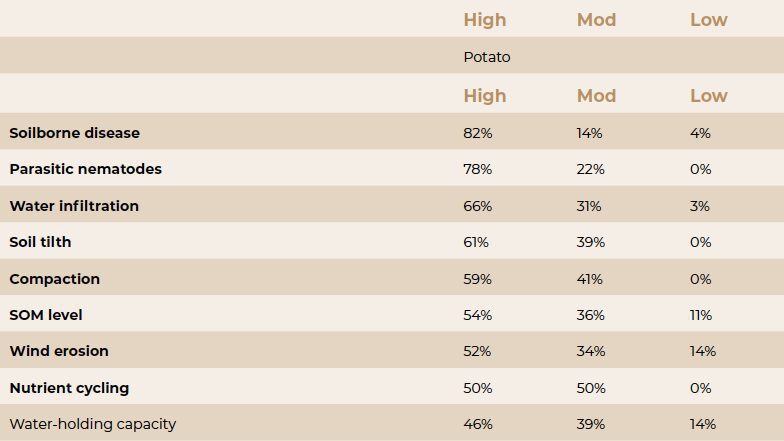
Table 31. Importance of issues related to soil health - Potatoes.
3
Goals and Priorities
The potato community in Washington would like to move towards decreasing or eliminating fumigation and reducing years of rotations without compromising grower profits, and potato yield and quality. This would enhance sustainability, fulfill the demand for WA-grown processing potatoes, reduce the potential of off-site impacts of fumigation, and promote a more robust microbiome that potentially could buffer impacts of soilborne pathogens and nematodes.
Long Term Goals
- Increasing acreage that is available for potato production by reducing rotations without compromising yield and quality
- Increasing yield on lower producing fields
- Reducing inputs of broad-spectrum biocides that manage soil-borne pathogens and nematodes in favor of other mean of management
Top Five Priorities
- Keeping population densities of soilborne pathogens and nematodes lower than economic thresholds, or developing soils that suppress them.
- Reducing or finding alternatives to fumigation
- Target-specific pesticides to manage soilborne pathogens and nematodes
- Decreasing years of crop rotations between potato cropping
- Rotating with crops that are profitable, enhance soil health metrics, and reduce soilborne pathogens and nematodes
Knowledge Gaps
- Ecology of soilborne pathogens and nematodes
- Understanding the nature of “suppressive soils”
- Understanding why new soils or soils not producing potatoes for many years are relatively highly productive, and if not, understanding why
- Measurable indicators of soil health that are reliable and that can suggest management practices in WA irrigated agriculture
Quotes from survey respondent:
“What is soil health? Everyone has a different definition. I think you can define soil health as sustainable farming, rather than some long winded version of biodiversity.”
“We need a consensus on what soil health is and how it is defined. This is the first major hurdle. Also, growers need to make money from the land each year, that has to be strongly considered with any future recommendations.”
Milestones
- Reduction in length of rotations from 3-4 years to 2-3 years within 20 years
- Economically viable alternatives to soil fumigation within 10 years
- An updateable “Best Practices” document for potato soil management within 2 years
4
Barriers to Adoption
The only practices that improve soil health that are used consistently are 3-4 years of rotation and fumigation, the later having negative impacts on beneficial soil microbes, nematodes, and soildwelling insects. Barriers to adopting soil health practices primarily are knowledge gaps regarding soil ecology and how it could be manipulated to decrease the impact of soilborne pathogens and parasitic nematodes.
Another barrier involves low levels of blemishes acceptable due to nematodes. For fresh-market potatoes various soilborne pathogens cause cosmetic damage that reduces quality and value. Currently, these issues are managed with fumigation. There is substantial pressure on growers to maximize yields. High yields are necessary for a profit under the terms of processing contracts. For several decades soil fumigation for disease control has successfully and consistently maximized yields.
Other answers offered by respondents: yield protection, microorganism interactions.
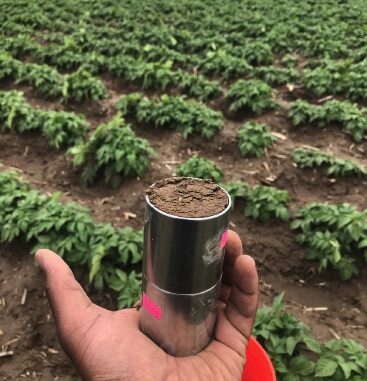
Figure 23. Researchers taking soil bulk density samples to evaluate soil health in Columbia Basin potato fields. (Photo: Sarpong)
Table 32. Importance of challenges to improving soil health - Potatoes.
Overcoming the Barriers
Overcoming these barriers requires research directed at improving our understanding of the soil ecosystem, including biotic and abiotic interactions among potatoes and soil organisms with a goal of enhancing our ability to reduce soilborne pathogens and parasitic nematodes to levels lower than economic thresholds. Also, developing a means to profitably process tubers with exterior blemishes might allow Columbia root-knot nematode to be managed with nematicides, rather than broadspectrum fumigants that more completely manage nematodes but negatively impact beneficial organisms as well.
Quote from survey respondent:
“Soil health tactics must be scalable and have direct economic benefits in order to be adopted. Growers understand that some benefits aren’t realized in year 1, but incentives for improving long term health of rented ground are low. Results of soil health research must be replicated and repeatable.”
“Soil biology and the interactions between beneficial and pest organisms has largely been neglected. The organic movement has become a leader in this understanding. Conventional agriculture needs to keep up.”
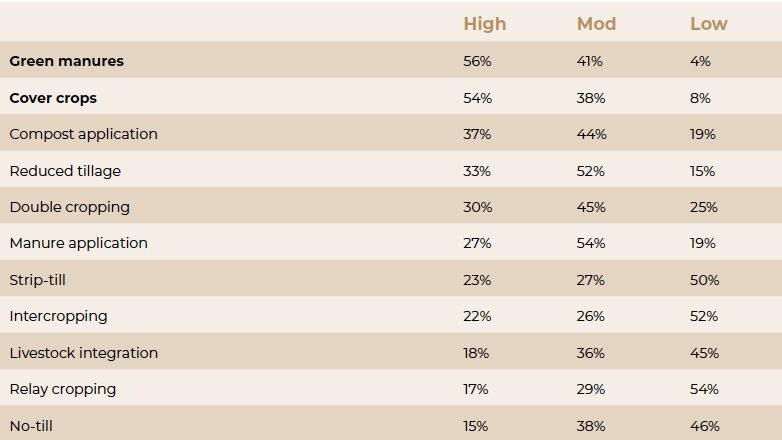
Table 33. Interest in soil health improving practices - Potatoes.
5
Soil Health Policies
It is not clear that state policies could increase adoption of management practices that improve soil health without reducing profitability by growers and processors.
Resources/Tools/Opportunities
The Columbia Basin Potato Soil Health Workgroup, a coalition of growers, processors, and registrants have recently generated over $3 million in support of an Endowed Chair at Washington State University. Candidates for this position are being interviewed in July 2021. With recent interest in soil health throughout the US, particularly in Washington, this creates an opportunity for WSU, and the state to take a leadership role in research and extension in soil health.
Research, extension symposia, workshops, demonstrations showing best soils management practices, and a decision-making guide on potato soil-health management would advance soil health goals for the potato community.
Cropping System Specific Issue
Potatoes cannot be grown without extensive tillage, if only because they require hilling and harvesting. This compromises soil quality. Importantly, the harvested product is underground and thus subject to exploitation by soilborne organisms, and even minor damage is important to product quality. Finding alternatives to fumigation to manage soilborne pathogens and nematodes will be challenging.
Core Investments Areas
Washington State University should invest in researchers who have the capacity to study microbial and nematode ecology and interactions in irrigated agricultural ecosystems, and the infrastructure to do so. Ideally, this researcher should be placed in the Columbia Basin.
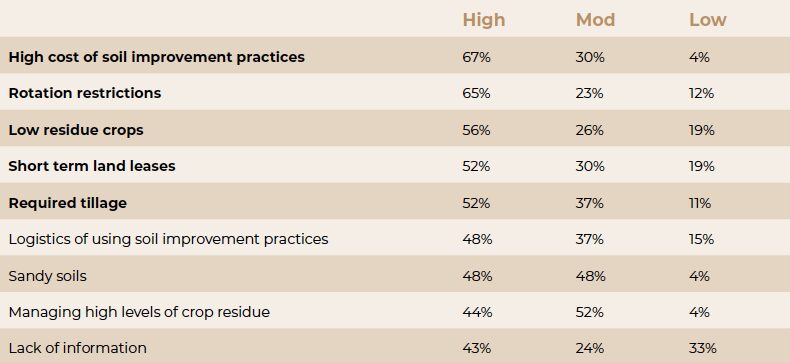
Table 34. Importance of research or additional information - Potatoes.