
Washington Soil Health Initiative
Irrigated Columbia Basin
1
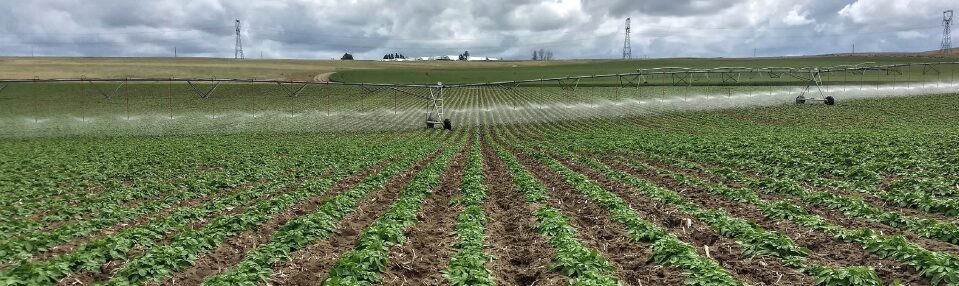
Photo: Griffin LaHue
Primary Author: Andy McGuire and Karen Hills
Summary
Soil health related issues in the Columbia Basin vary based on crop, but most responses to a survey underscored issues related to the physical and biological portion of soil. Soils in this region are threatened by wind erosion and degraded soil physical quality. These soils are characterized by largely coarse texture, low organic matter content, low water and nutrient holding capacity, and production systems that rely on heavy use of tillage. Respondents frequently stated that the use of cover crops and alternative tillage strategies could help to overcome these issues. Challenges such as the economics of using soil health improving practices and the lack of ability to effectively monitor soil health changes were ranked high.
Overview
The Columbia Basin is one of the premier agricultural regions in the U.S. The semi-arid dry climate averages about 200 frost free days per year. It has abundant water from the Columbia River providing irrigation for nearly 700,000 acres. Over 70 different crops are grown, including tree fruit (apples, cherries, pears) vegetables (potatoes, onions, sweet corn, green peas) forage crops (alfalfa and timothy hay), and grains (corn and wheat). Cattle and dairy operations exist in the basin.
Information Collection
A survey was sent to the Irrigated Agriculture listserv managed by WSU Extension on February 13, 2020 and was closed on March 7, 2020. 147 crop growers/producers, 54 crop consultants and 16 livestock producers participated, for a total of 217 respondents across production systems.
Since soil health issues and approaches can vary substantially based on production system, survey responses were divided by primary crop identified by participants. Significant numbers of respondents represented tree fruit (60 respondents), grapes (23 respondents), and potatoes (32 respondents), cropping systems covered in other areas of this report. Here we focus on other crops of significance in irrigated Columbia Basin agriculture: blueberries or other small fruit (3 respondents), corn – grain or silage (6 respondents), hay or other forage crops (18 respondents), hops (4 respondents), seed crops (4 respondents), sweet corn, green peas or other vegetables (12 respondents), and wheat (9 responses). Overall results from the survey are presented in Appendix 1 of this report.
2
Current Situation
Wind Erosion
The Columbia Basin is prone to high wind events especially in the spring and fall, often when soils are not adequately covered with crops, plant residues or other vegetation. Wind erosion removes fine particles and organic matter from the topsoil which results in lower soil productivity, fertility, water-holding capacity, tilth, structure and water infiltration on dryland and irrigated soils. Unprotected sand, loamy sand and sandy loam soils are the most susceptible to wind erosion (McGuire 2011). Additionally, blowing dust can result in serious traffic accidents, loss of productivity, air quality issues, and respiratory problems in communities surrounding farmland. Efforts to control wind erosion are an ongoing challenge being addressed through the use of cover crops, high crop residue farming, and addition of manure and compost on the most prevalent wind-blown soils. Major efforts are continuing to improve soil health using multiple management strategies thus reducing soil deterioration.
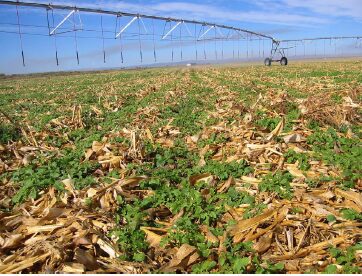
Figure 8. Irrigated mustard cover crop emerging after sweet corn. (Photo: McGuire)
Climate Change and Water Supply
Although the supply of water from the Columbia River is forecast to increase slightly by 2030, the timing of peak supply will shift earlier in the calendar year (late-fall, winter and spring), away from the peak irrigation demands of mid-summer (Hall et al. 2016).
Blueberries or Other Small Fruit
There were three respondents (all producers) who listed blueberries or other small fruit as their main crop, though only two of the respondents answered the questions in full. The issue of greatest importance to this group is nutrient cycling. The most frequently mentioned soil health improving practices of interest are double cropping, relay cropping, intercropping, manure application and no-till. The importance of challenges to improving soil health were noted as high cost of soil improvement practices, short term land leases and lack of information. Both of the respondents in this crop group listed the importance of research or additional information in all four areas (economics, monitoring, benefits, and strategies for improvement) as “high.”
3
Corn – Grain or Silage
There were six respondents (four producers, two crop consultants) who listed grain or silage corn as their main crop. The importance of issues related to soil health that were most frequently mentioned as being of high importance for this group were soil organic matter (SOM) level and soilborne disease. Cover crops, double cropping, green manures, no-till, and reduced tillage were identified as issues of high importance by the 50% or more of respondents. The most important challenges identified by this group were short term land leases, high cost of soil improvement practices, managing high levels of crop residue, rotation restrictions, and low residue crops. The areas of research that were most frequently identified as being of high importance for this group were monitoring soil health and strategies for improving soil health. One grower in this group offered the following comment:
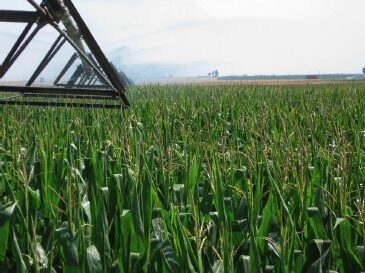
Figure 9. Irrigated sweet corn in the Columbia Basin. (Photo: Waters)
“Soil variation occurs on every unit often to extreme degrees and often is managed to the mean. Cost efficacy always an issue. Tilth [is] a clumsy and lowbrow hand waving umbrella term for complex biome.”
Hay or Other Forage Crops
There were 18 respondents (13 producers, five crop consultants) with hay or other forage crops as their main crop. The issues of highest importance for this group were soil tilth, soil organic matter (SOM) level, nutrient cycling, water infiltration, and water-holding capacity. Practices that garnered the greatest level of interest were no-till, green manures, reduced tillage, cover crops, and manure application. At least half of the respondents in this group listed the high cost of soil improvement and lack of information as challenges of high importance for improving soil health. The areas for more research that were identified as being of the highest importance were benefits of soil health, strategies for improving soil health, and economics of soil health. Other comments offered by respondents in this group were:
“Soil health is something I’ve really focused on the last five to ten years or so. My main strategy has been cover crops and implementing minimum tillage. Have tried flying wheat seed into standing grain corn August 15.”
“Overall status of rotational cropping in the Columbia Basin and new approaches for better soil maintenance as the Odessa/Ritzville Reclamation takes place in the next few years.”
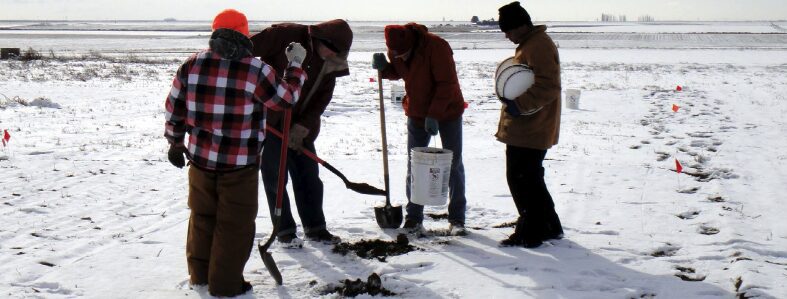
Figure 11. Researchers obtaining soil samples a part of soil health evaluation. (Photo: McGuire)
4
Hops
Four respondents (one producer, three crop consultants) listed hops as their primary crop. Soil organic matter level was the issue of greatest importance to this group, with cover crops, green manures, compost and manure application all listed as practices of high interest to 50% or more of respondents in this group. The high cost of soil improvement practices is the most important challenge identified by this crop group. Strategies for improving soil health is the research area of greatest importance identified by this group.
Other comments offered by respondents in this group:
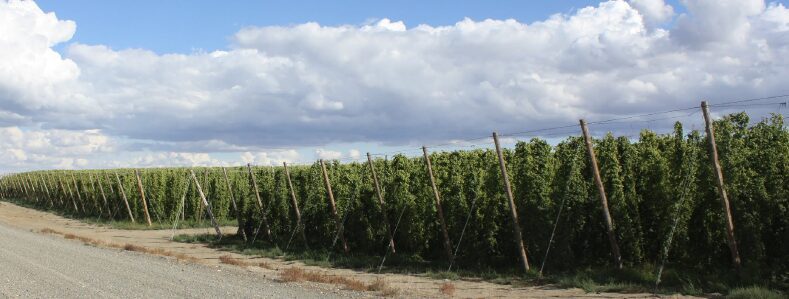
Figure 12. Hop field in Columbia Basin (Photo: Benedict)
“Soil variation occurs on every unit often to extreme degrees and often is managed to the mean. Cost efficacy always an issue. Tilth [is] a clumsy and lowbrow hand waving umbrella term for complex biome.”
“Soil health is something I’ve really focused on the last five to ten years or so. My main strategy has been cover crops and implementing minimum tillage. Have tried flying wheat seed into standing grain corn August 15.”
“Overall status of rotational cropping in the Columbia Basin and new approaches for better soil maintenance as the Odessa/Ritzville Reclamation takes place in the next few years.”
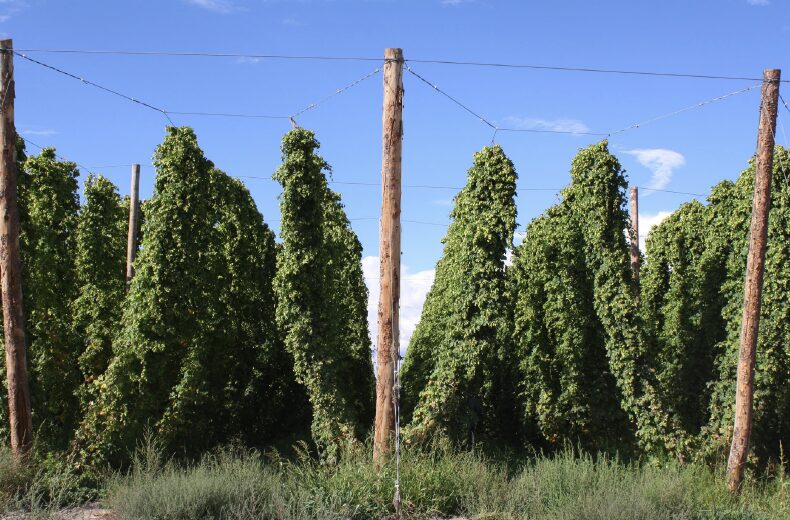
Figure 13. Hop trellis system. (Photo: Benedict)
Seed Crops
Four respondents (all producers) listed seed crops as their primary crop. The issues that were identified as being of high importance by this group were wind erosion, soil tilth, water-holding capacity, soilborne disease, water infiltration, compaction, and nutrient cycling. Reduced tillage was the one soil health improvement practice considered to be of high interest by 50% of respondents. The challenges this group identified as most important were low residue crops, high cost and logistics of soil improvement practices, and sandy soils. Research areas that were of greatest interest to this group were monitoring of soil health, benefits of soil health, and strategies for improving soil health.
5
Sweet Corn, Green Peas, and Other Vegetables
This group encompasses a number of vegetable crops, including sweet corn and green peas and consisting of 12 respondents (nine producers, three crop consultants). At least half of the respondents in this group listed the following issues as being of high importance: soil tilth, water-holding capacity, nutrient cycling, water infiltration, compaction, drainage, ponding, runoff, soilborne disease, wind erosion, and SOM level. The practices of greatest interest to this group for improving soil health are compost application, cover crops, green manures, reduced tillage, and intercropping. The high cost of soil improvement was the challenge identified as being of high importance by the majority of respondents in this group. This group expressed significant interest in each of the four areas for potential research.
Other comments offered by respondents in this group were:
“I would like to see plots on ways to reduce weed seed banks in organic fields. Also, what crop or cover crop affects organism health in soil.”
“We have already implemented many soil health practices: strip till, reduced till, compost application, cover crops, livestock integration, etc. my main interest is in soil health practices to reduce soil fungal pathogens.”
“Importance of organic matter and the soil on Columbia Basin.”
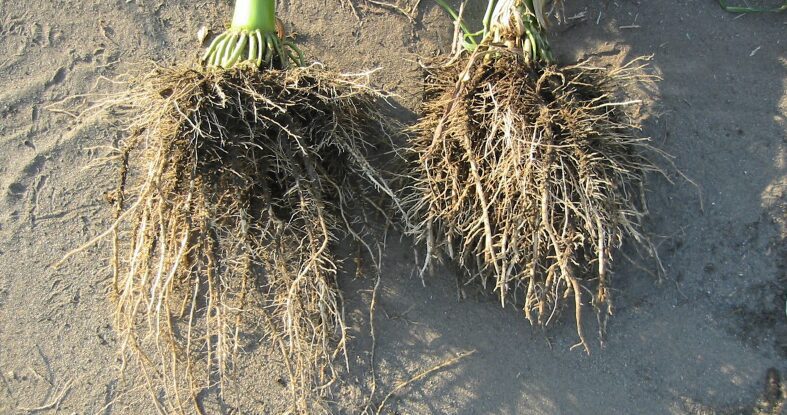
Figure 14. Root system of strip tilled corn (left) and full tilled corn (right). (Photo: McGuire)
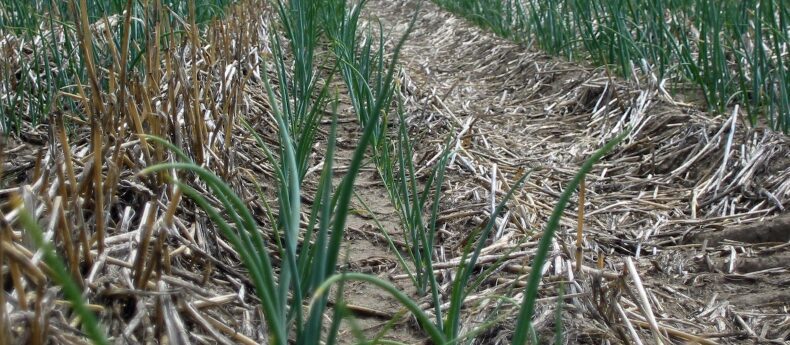
Figure 15. Strip tilled onions. (Photo: McGuire)
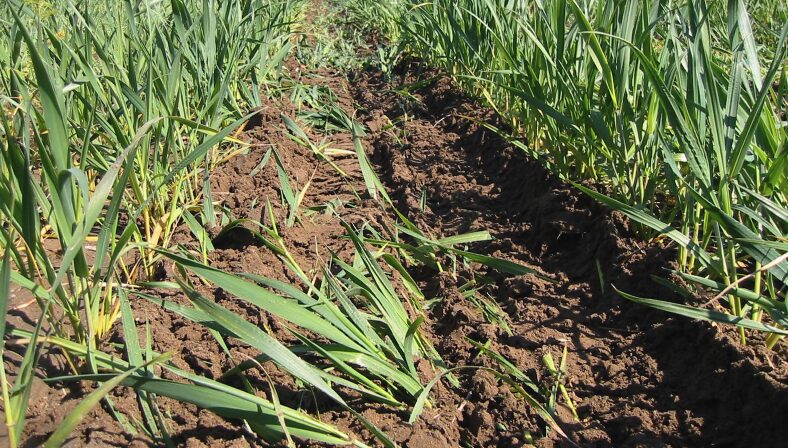
Figure 16. Strip till planting of sweet corn into green cover. (Photo: McGuire)
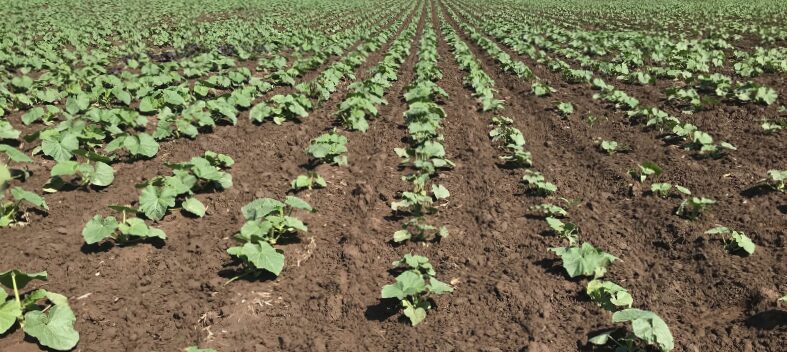
Figure 17. Cucurbits grown in the Columbia Basin. (Photo: Waters)
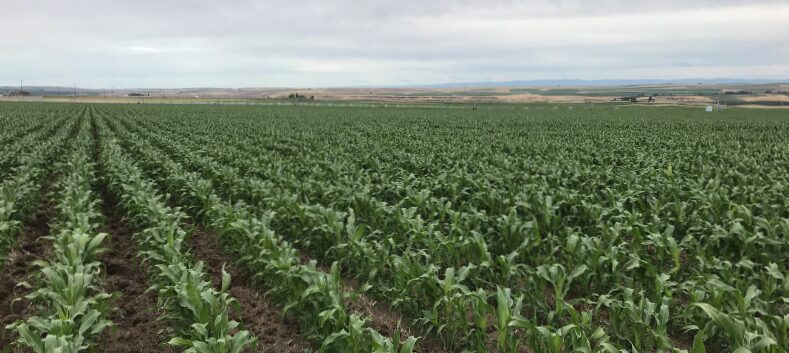
Figure 18. Columbia Basin sweet corn. (Photo: Waters)
6
Wheat
Nine survey respondents (five producers and four crop consultants) listed wheat as their main crop. Over half of respondents in this group listed the following as high importance issues related to soil health: water infiltration, SOM level, soil tilth, water-holding capacity, nutrient cycling, and soilborne disease. The practices with the greatest level of interest for wheat producers were no-till, reduced tillage, and cover crops. The greatest challenges to improving soil health for wheat systems were identified as the high cost and logistics of using soil improvement practices. All areas of potential research (strategies, economics, benefits, and monitoring) were of high importance to a majority of respondents in this group. Dryland wheat production is covered elsewhere in this report.
Other comments offered by respondents in this group:
“As a grower and a business leader of an enterprise that serves growers, I think it important to build upon substantial progress made--reducing waterborne soil erosion 85%, reducing dust 6-fold, reducing stubble burning 22-fold. A fine foundation to build upon. A major contribution to habitat restoration for salmon.”
“Tissue testing looks like an important tool, along with the forms of the nutrients being applied.”
“Very complicated. Not well understood.”
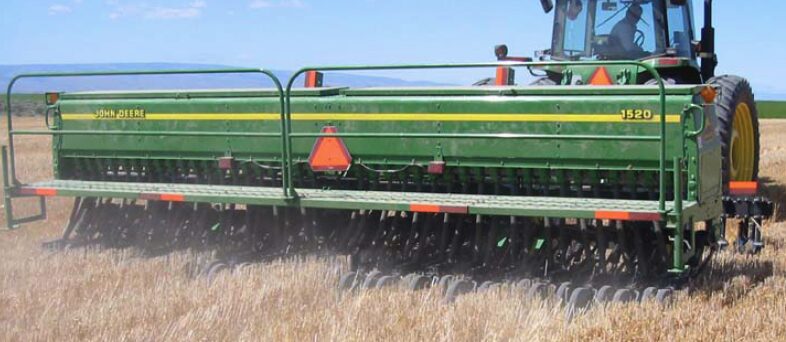
Figure 19. No-till drill planting a cover crop into wheat stubble. (Photo: McGuire)
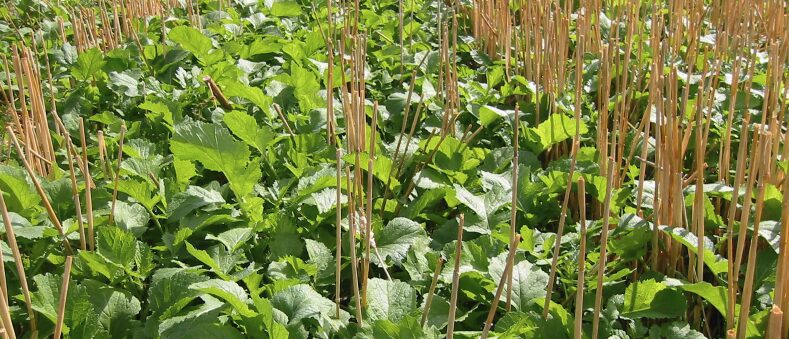
Figure 20. Mustard green manure coming through wheat stubble. (Photo: McGuire)
7
References
- Granatstein, D., A. McGuire, and M. Amarta. 2017. Improving Soil Quality on Irrigated Soils in the Columbia Basin. Washington State University Extension Fact Sheet FS252E. https://pubs.extension.wsu.edu/improving-soil-quality-on-irrigated-soils-in-the-columbia-basin
- Hall, S.A., J.C. Adam, M. Barik, J. Yoder, M.P. Brady, D. Haller, M.E. Barber, C.E. Kruger, G.G. Yorgey, M. Downes, C.O. Stockle, B. Aryal, T. Carlson, G. Damiano, S. Dhungel, C. Einberger, K. Hamel-Reiken, M. Liu, K. Malek, S. McClure, R. Nelson, M. O’Brien, J. Padowski, K. Rajagopalan, Z. Rakib, B. Rushi, W. Valdez. 2016. 2016 Washington State Legislative Report. Columbia River Basin Long-Term Water Supply and Demand Forecast. Publication No. 16-12-001. Washington Department of Ecology, Olympia, WA. 216 pp. Available online at: https://fortress.wa.gov/ecy/publications/SummaryPages/1612001.html.
- McGuire, A., D. Granatstein, M. Amarta. 2017. An Evaluation of Soil Improvement Practices Being Used on Irrigated Soils in the Columbia Basin. Washington State University Extension Fact Sheet TB41. https://pubs.extension.wsu.edu/an-evaluation-of-soil-improvement-practices-being-used-on-irrigated-soils-in-the-columbia-basin
- McGuire, A. 2016. Mustard Green Manures (Replaces EB1952E). Washington State University Extension Fact Sheet FS219E. https://pubs.extension.wsu.edu/mustard-green-manures-replaces-eb1952e
- McGuire, A. 2016. Using Green Manures in Potato Cropping Systems (replaces EB1951E). Washington State University Extension Fact Sheet FS218E. https://pubs.extension.wsu.edu/using-green-manures-in-potato-cropping-systems-replaces-eb1951e
- McGuire, A. 2014. High Residue Farming Under Irrigation: What and Why (1 in a series of 5). Washington State University Extension Fact Sheet EM071E. https://pubs.extension.wsu.edu/high-residue-farming-under-irrigation-what-and-why-1-in-a-series-of-5
- McGuire, A. 2014. High Residue Farming Under Irrigation: Crop Rotation (2 in a series of 5). Washington State University Extension Fact Sheet EM072E. https://pubs.extension.wsu.edu/high-residue-farming-under-irrigation-crop-rotation-2-in-a-series-of-5
- McGuire, A. 2014. High Residue Farming Under Irrigation: Residue Management through Planting (3 in a series of 5). Washington State University Extension Fact Sheet EM073E. https://pubs.extension.wsu.edu/high-residue-farming-under-irrigation-residue-management-through-planting-3-in-a-series-of-5
- McGuire, A. 2014. High Residue Farming Under Irrigation: Pest Management Considerations (4 in a series of 5). Washington State University Extension Fact Sheet EM074E. https://pubs.extension.wsu.edu/high-residue-farming-under-irrigation-pest-management-considerations-4-in-a-series-of-5
- McGuire, A. 2014. High Residue Farming Under Irrigation: Strip-till (5 in a series of 5). Washington State University Extension Fact Sheet FS036E. https://pubs.extension.wsu.edu/high-residue-farming-under-irrigation-striptill-5-in-a-series-of-5
- McGuire, A. 2011. Controlling Early Season Wind Erosion in Columbia Basin Potato Fields. Washington State University Extension Fact Sheet FS025E. https://pubs.extension.wsu.edu/controlling-early-season-wind-erosion-in-columbia-basin-potato-fields
- Tozer, P., S.P. Galinato, A. McGuire, D. Granatstein. 2018. An Economic Analysis of Three Soil Improvement Practices in the Columbia Basin, Washington State. Washington State University Extension Fact Sheet TB47E. https://pubs.extension.wsu.edu/an-economic-analysis-of-three-soil-improvement-practices-in-the-columbia-basin-washington-state
- Vano, J.A., M.J. Scott, N. Voisin, C.O. Stöckle, A.F. Hamlet, K.E.B. Mickelson, M.M.G. Elsner, and D.P. Lettenmaier. 2010. Climate Change Impacts on Water Management and Irrigated Agriculture in the Yakima River Basin, Washington, USA. Climatic Change 102:287–317.
- Yorgey, G. and A. McGuire. 2018. Strip-tillage for Onions and Sweet Corn, Lorin Grigg (Farmer-to-Farmer Case Study Series). Pacific Northwest Extension Fact Sheet PNW702. https://pubs.extension.wsu.edu/striptillage-for-onions-and-sweet-corn-lorin-grigg-farmertofarmer-case-study-series
- Yorgey, G., S. Kantor, C. Kruger, K. Painter, H. Davis, L. Bernacchi. 2017. Biofumigant Cover Cropping in Potatoes: Dale Gies (Farmer to Farmer Case Study Series). Washington State University Extension Fact Sheet PNW693. https://pubs.extension.wsu.edu/biofumigant-cover-cropping-in-potatoes-dale-gies-farmer-to-farmer-case-study-series